Inquiry
Form loading...

What Are the Top Indoor Play Structures in 2026?

Indoor Play Structures are changing in 2026. They are no longer simple ball pits with bright plastic tubes. Leading venues now combine climbing towers, soft obstacle courses, sensory zones, trampolines, and digital-free role-play areas. The strongest designs make children move, choose, and return safely.

Grand View Research’s 2024 indoor playground equipment analysis identifies continued market growth, driven by family entertainment centers, shopping venues, and hospitality projects. IAAPA’s Global Theme and Amusement Park Outlook also reports sustained investment in experience-based attractions. However, market forecasts use different definitions. Some include equipment sales, while others include complete venue construction. The numbers should be read carefully.

Safety remains the deciding factor. ASTM F1918 and ASTM F2373 provide important guidance for soft contained play systems and inflatable attractions. Operators should also document inspections, staff training, fall zones, cleaning routines, and emergency access. A beautiful structure can still fail if supervision is weak. That uncomfortable detail matters.

David Rockwell, an architect known for designing play environments, said, “Play is not a luxury; it is a necessity.” His view supports a practical question: does each feature create meaningful movement, social interaction, or discovery? In this guide, we compare the top Indoor Play Structures for 2026 through that lens. We consider age range, accessibility, durability, maintenance, safety, and visitor appeal. Some fashionable features may disappoint. A quieter sensory room might deliver more value than another towering slide.

What Are the Top Indoor Play Structures in 2026?

Types of Indoor Play Structures Popular in 2026

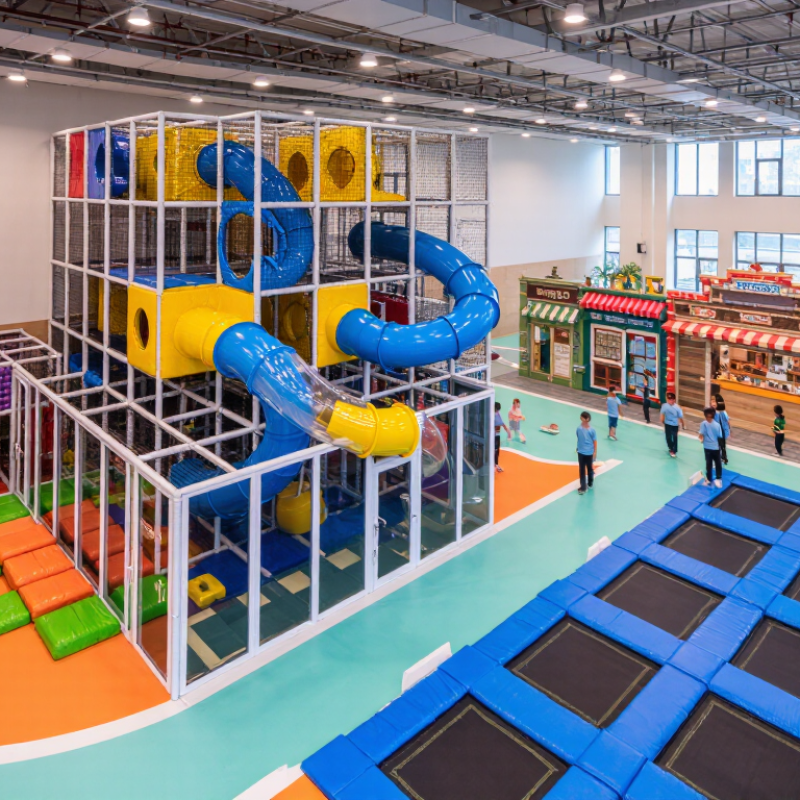
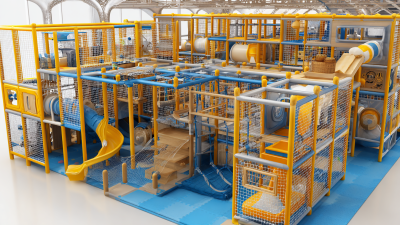
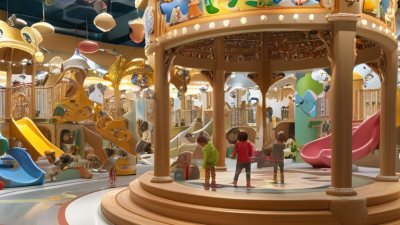
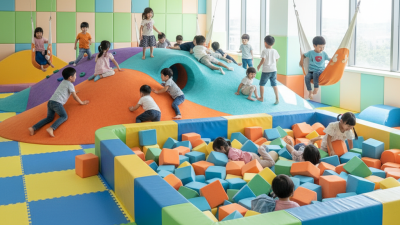
In 2026, indoor play spaces are moving beyond basic ball pits. Modular climbing walls, soft obstacle courses, and multi-level play towers remain highly popular. Their flexible layouts help operators adjust activities for different age groups. Children can crawl through tunnels, cross balance bridges, and slide into padded landing zones. These structures encourage movement without requiring large outdoor areas.

Interactive play zones are also growing quickly. Projection floors, motion-sensitive games, and light-based climbing panels add playful technology to physical activity. However, digital features should support movement rather than replace it. Sensory rooms are gaining attention, too. They may include dimmable lighting, textured panels, quiet corners, and gentle sound equipment. These details can help children who feel overwhelmed in busy environments. They are useful.

Inclusive structures are becoming a stronger expectation in 2026. Ramps, wide entry points, transfer platforms, and low sensory options allow more children to participate. Toddler areas should stay separate from higher climbing equipment, with clear sightlines for caregivers. Reliable design also depends on impact-absorbing surfaces, rounded edges, secure fasteners, and documented inspections. Popular does not always mean suitable. A crowded structure may look exciting but create blind spots and difficult supervision. Operators should review traffic flow, age separation, cleaning routines, and local safety requirements before installation. Some designs still prioritize appearance over practical maintenance, and that deserves reconsideration.

Key Features of Modern Indoor Play Structures

What Are the Top Indoor Play Structures in 2026?

Modern indoor play structures are becoming more flexible, measurable, and safety-focused. Leading designs combine climbing walls, soft tunnels, balance bridges, slides, and sensory panels. These features support strength, coordination, problem-solving, and social play in one compact area. A good structure should also offer clear sightlines for caregivers. Staff need to inspect joints, padding, handrails, and floor transitions daily.

The World Health Organization recommends at least 60 minutes of moderate-to-vigorous activity daily for children aged five to seventeen. For children aged three to four, it recommends 180 minutes of total physical activity. This guidance supports structures that encourage repeated movement, not passive screen time. Adjustable obstacles can serve different ages and abilities. Low ramps, wider platforms, and quiet corners improve access without making the space feel clinical.

Safety details matter more than dramatic height. ASTM F1918 covers soft-contained play equipment, while the U.S. Consumer Product Safety Commission’s Public Playground Safety Handbook highlights fall zones, entrapment risks, and impact-absorbing surfaces.

In practical use, small design flaws become obvious quickly. A slide exit may collect loose balls. A crowded bridge can create pushing. Better layouts separate fast routes from slower sensory areas. I still think many facilities overvalue appearance. Bright colors attract attention, but thoughtful circulation protects children better.

Safety Standards and Accessibility Considerations

What Are the Top Indoor Play Structures in 2026?

In 2026, the strongest indoor play structures are not simply the tallest. They combine soft-play towers, low-level climbers, crawl tunnels, and sensory corners. These features support different ages and movement abilities. The CPSC Public Playground Safety Handbook reports more than 200,000 playground injuries requiring emergency treatment annually. That figure is not indoor-specific, but it exposes the cost of weak design.

Operators should check equipment against ASTM F1918-21 and relevant local safety requirements. Impact-absorbing flooring must cover fall zones, especially below platforms and beside slide exits. Rounded edges, enclosed gaps, visible sightlines, and controlled entry points reduce predictable hazards. Staff also need documented daily checks. Loose fasteners, torn padding, and wet floors deserve immediate attention. Compliance can become a checkbox. It should not.

Accessibility needs equal weight. A 2023 WHO and UNICEF report estimates that nearly 240 million children worldwide live with disabilities. Ramps, wide transfer platforms, low-height activities, and clear routes can make indoor play more welcoming. Quiet areas may help children who become overwhelmed by noise or crowds. Visual cues support children with communication differences. Accessible design is still incomplete when adults cannot assist comfortably. I would also question whether every “inclusive” structure offers genuine choice, rather than one symbolic ramp beside an otherwise restricted play zone.

Choosing the Right Structure for Different Age Groups

What Are the Top Indoor Play Structures in 2026?

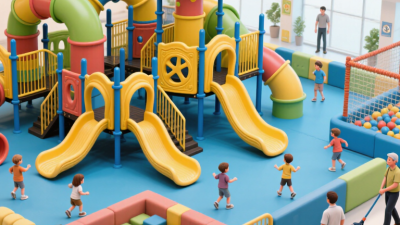
Choosing the right indoor play structure starts with a child’s age, not its appearance. For toddlers aged one to three, low foam climbers, crawl tunnels, and wide steps provide safer movement practice. Rounded edges and clear sightlines help adults respond quickly. Keep it simple.

Children aged four to six often benefit from compact climbing frames, slides, balance paths, and imaginative play panels. These features build coordination while encouraging short, cooperative games. During play-space evaluations, I look for stable handholds, cushioned flooring, and enough separation between active zones. A crowded layout can create avoidable collisions.

For children aged seven and above, taller modular structures, rope bridges, climbing walls, and timed obstacle routes offer greater challenge. Adjustable difficulty matters because skills can differ sharply within one age group. I once assumed a higher platform would create better engagement, but several children preferred a lower route with more choices. That changed my design judgment. Good structures should support confidence, not pressure children into risk. Staff should check fasteners, padding, visibility, and cleaning routines regularly. Age labels help, but observation remains essential.

Maintenance, Space, and Budget Planning

What Are the Top Indoor Play Structures in 2026?

Modular soft-play towers remain strong choices for busy indoor spaces. They combine climbing, crawling, sliding, and imaginative play in one footprint. Low-height obstacle courses also work well for younger children. Sensory panels add quieter activities without consuming much floor area. In my experience, the best structure is not always the largest one. A compact layout with clear sightlines can feel safer and more useful. Leave wide paths around entrances, exits, and active zones. Measure ceiling height carefully. A few centimeters can change installation plans.

Maintenance should influence the purchase before appearance does. Inspect padding, fasteners, nets, handrails, and floor anchors every week. Clean high-touch surfaces daily during busy seasons. Keep replacement panels and fasteners in the budget. Annual maintenance may reach 10–15% of the original cost, depending on traffic and materials. My first layout left too little space beside the slide. Staff could not supervise that corner comfortably. That mistake was expensive to correct. Budget for professional installation, impact flooring, lighting, storage, and staff training. Request clear maintenance schedules and inspection records from suppliers. Avoid choosing equipment from attractive drawings alone. Children use structures unpredictably. A quiet corner may become the busiest route by lunchtime. Leave some flexibility for that reality.

What Are the Top Indoor Play Structures in 2026? - Maintenance, Space, and Budget Planning

Planning ranges below are general 2026 estimates for indoor facilities. Actual requirements vary by local safety rules, site conditions, materials, labor rates, accessibility needs, and installation complexity.

Indoor Play Structure Best For Recommended Age Range Typical Footprint Suggested Ceiling Height Estimated Initial Budget Routine Maintenance Typical Inspection Frequency Space-Planning Notes Budget Level
Soft Play Climbing Frame Active climbing, crawling, sliding, and imaginative play 2–8 years 300–1,200 sq. ft. 9–14 ft. $25,000–$120,000 Daily visual checks; frequent cleaning of padding, platforms, slides, and hand-contact surfaces; periodic fastener checks Daily operational check; monthly documented inspection; annual professional review Allow clear circulation around entrances, exits, slides, and emergency routes Medium
Toddler Soft-Play Zone Low-height exploration for younger children 6 months–4 years 150–600 sq. ft. 7–10 ft. $8,000–$45,000 Daily sanitizing of mats and soft components; inspect seams, foam exposure, and loose parts Daily operational check; weekly detailed condition check; annual professional review Use a defined boundary and place near seating so caregivers can maintain visibility Low to Medium
Modular Climbing Wall Skill development, vertical movement, and supervised climbing 5+ years 100–500 sq. ft. 10–20 ft. $20,000–$100,000 Inspect holds, anchors, panels, padding, and hardware; replace worn or damaged components promptly Before each use; monthly documented inspection; annual technical inspection Requires impact-attenuating flooring and a controlled fall zone free of furniture Medium to High
Indoor Rope or Net Course Adventure play, balance, coordination, and group challenges 6+ years 600–2,500 sq. ft. 14–30 ft. $75,000–$300,000+ Inspect ropes, nets, connectors, platforms, barriers, and padding; monitor abrasion and tension Daily visual check; monthly documented inspection; quarterly specialist review; annual structural review Needs substantial vertical volume, managed queuing, fall protection, and clear evacuation access High
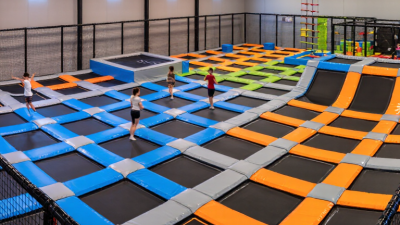
Trampoline and Airbag Zone High-energy jumping and movement activities 6+ years 800–4,000 sq. ft. 14–24 ft. $80,000–$350,000+ Inspect trampoline beds, springs, frames, pads, netting, seams, and landing surfaces; clean high-contact areas Before opening; daily operational check; monthly documented inspection; annual specialist inspection Requires strict separation between activity zones, protective padding, and controlled capacity High
Interactive Sensory Play Area Inclusive play, sensory exploration, and quieter activity 2–10 years 200–1,000 sq. ft. 8–12 ft. $15,000–$90,000 Clean tactile elements, lighting controls, panels, cushions, and washable surfaces; test interactive features Daily operational check; weekly equipment test; monthly documented inspection Provide quiet circulation, adjustable lighting where possible, and space for mobility devices Medium
Pretend-Play Village Role play, social development, and themed learning 2–8 years 300–1,500 sq. ft. 8–12 ft. $20,000–$100,000 Clean counters, props, doors, handles, and seating; inspect hinges, edges, signage, and detachable accessories Daily visual check; weekly detailed check; monthly documented inspection Use flexible partitions and maintain clear sightlines between themed rooms or activity stations Medium
Indoor Balance and Obstacle Course Gross-motor play, agility, and physical challenges 4–12 years 400–2,000 sq. ft. 10–16 ft. $30,000–$150,000 Check ramps, steps, beams, connectors, padding, and flooring; rearrange or replace worn modules Daily operational check; monthly documented inspection; annual professional review Design one-way movement where practical and separate active routes from waiting areas Medium to High
Convertible Multi-Use Play System Facilities needing flexible programming and reconfigurable layouts 2–12 years 500–3,000 sq. ft. 10–18 ft. $45,000–$220,000 Inspect movable connectors, locking systems, panels, mats, and storage hardware; verify every configuration Before each configuration change; monthly documented inspection; annual professional review Reserve storage and staff setup space; maintain consistent clearance after every rearrangement Medium to High

Budget figures generally cover equipment and typical installation planning, but may exclude construction, flooring upgrades, HVAC changes, permits, fire-protection work, freight, taxes, and ongoing staffing.