




News



0102030405
Let's take a look at how the Dirolep factory produces the Mario Cross Obstacles game together
2026-03-19
Let's take a look at how the Dirolep factory produces the MarioCross Obstacles game together
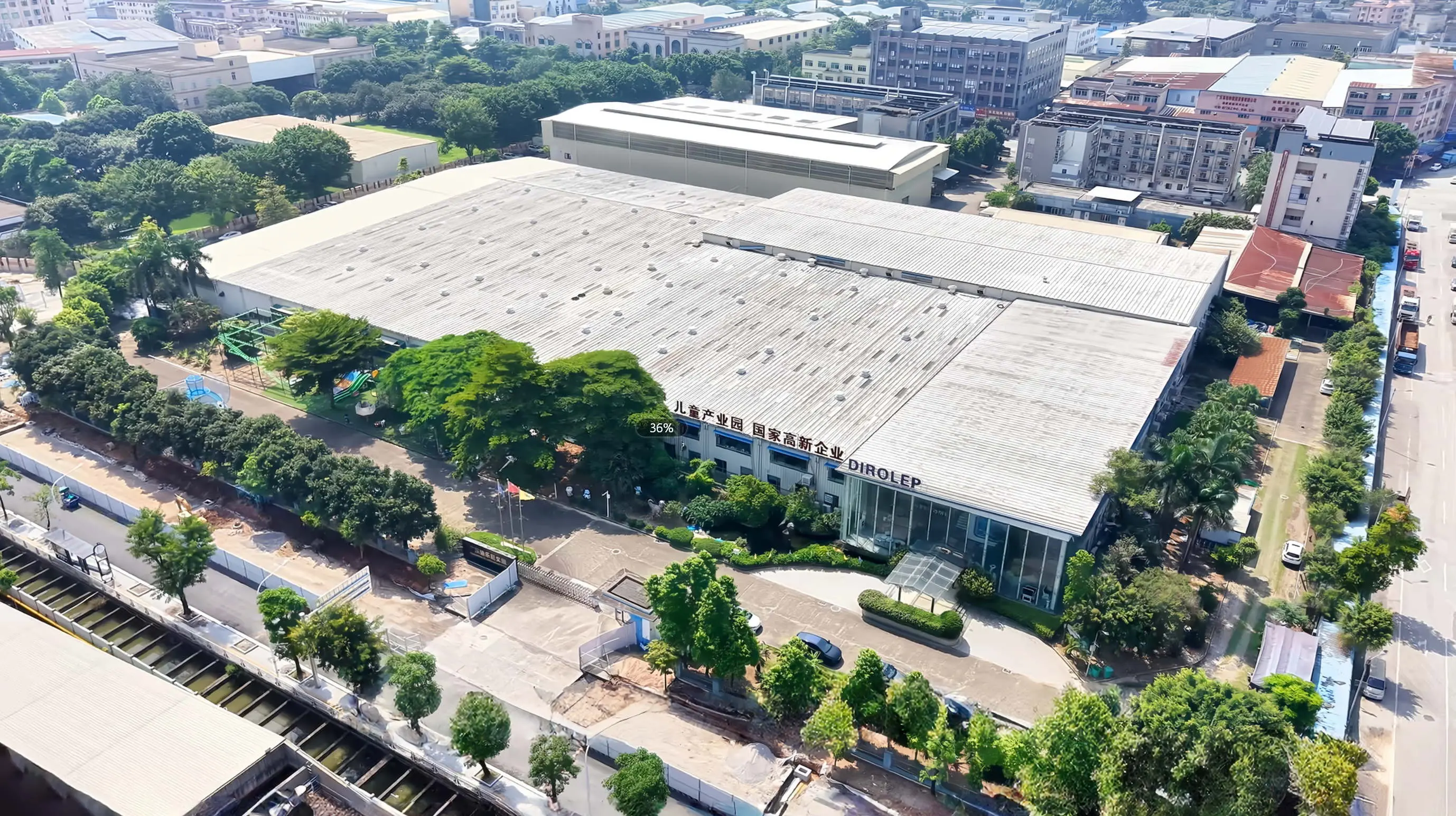
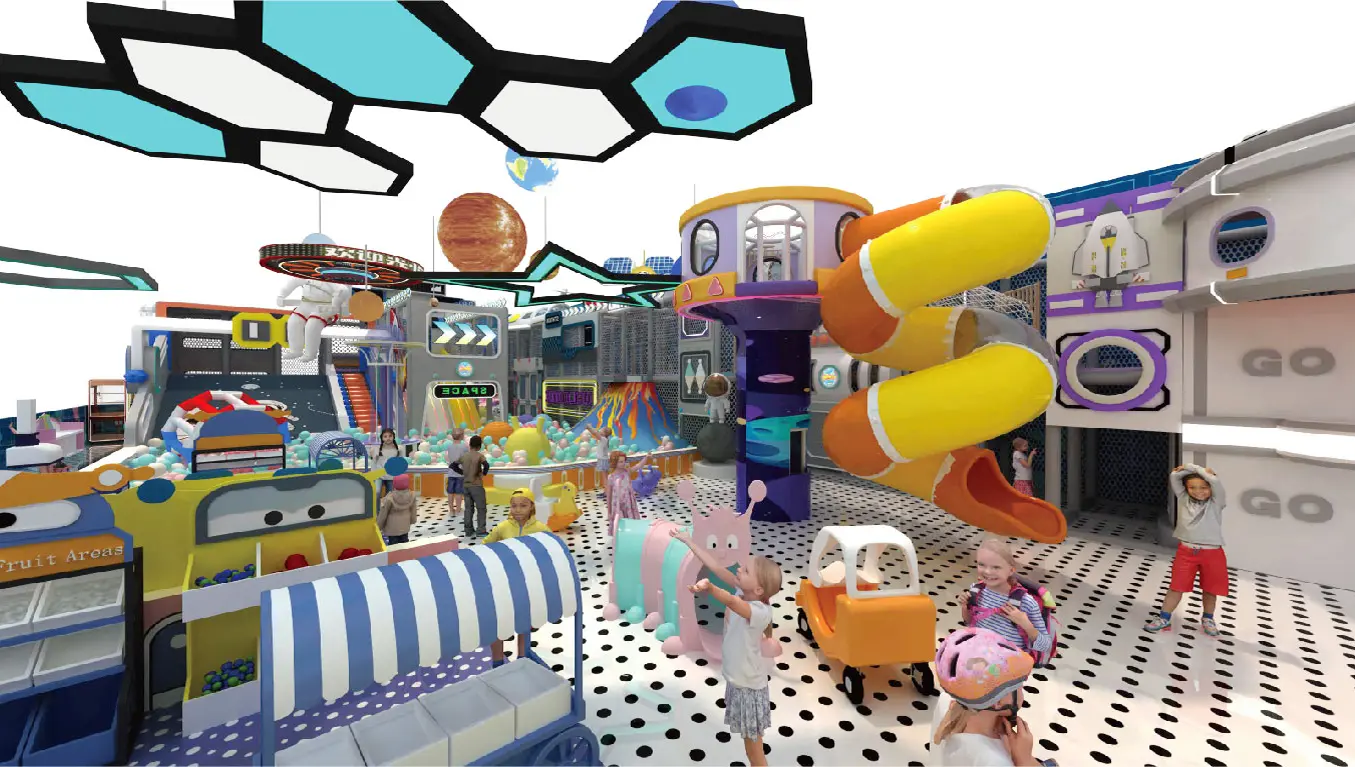
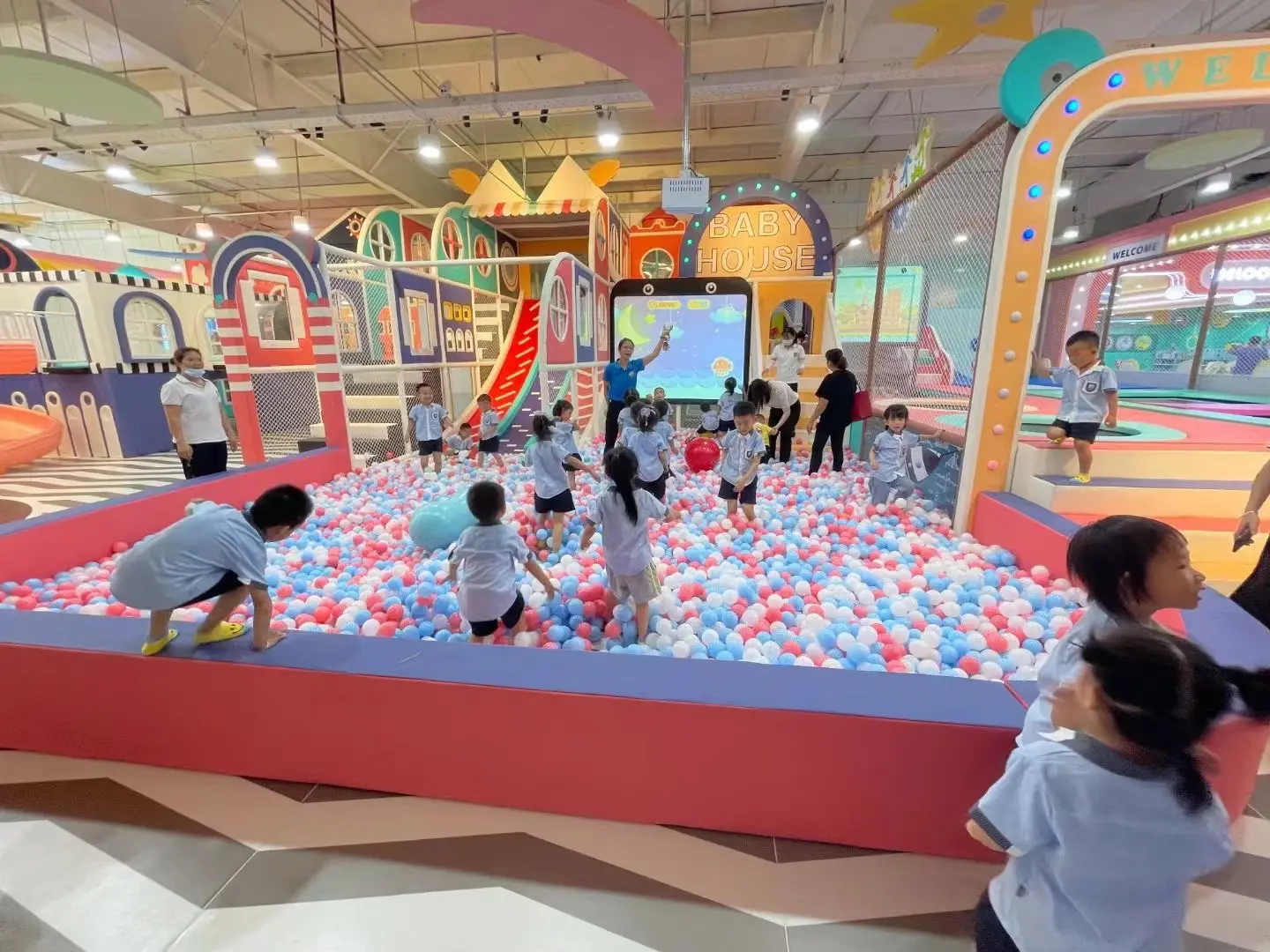
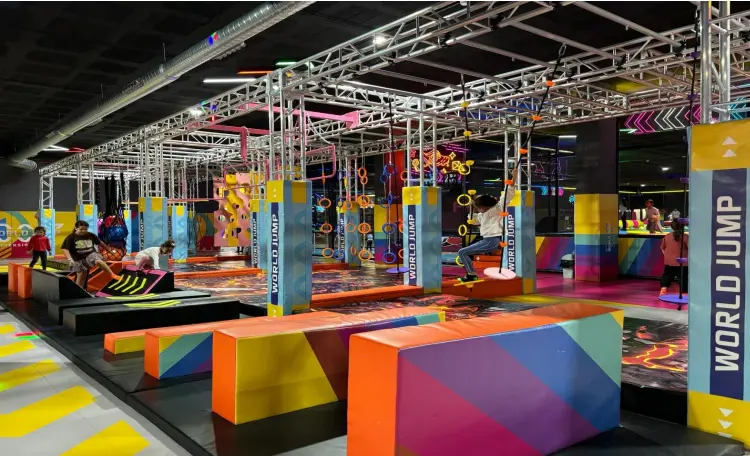
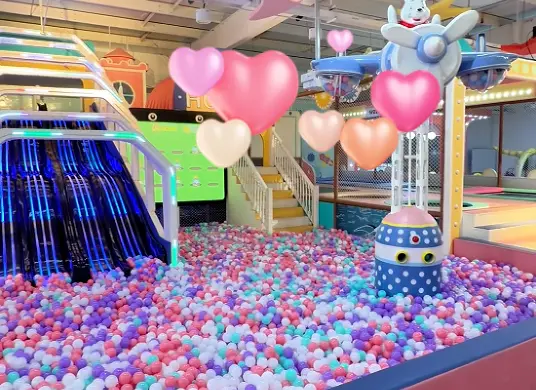
Dirolep is a factory from China, nearby Guangzhou, these days design and build a 2500 sqaure meters indoor children amusement park for the clients.
From the original design, playground layout structure , rational and funny games, play and learn, and the most competitive price, everyrthing be fine and the clients be happy.
Look, I'll be straight with you. Before last week, I'd never really thought about where those Indoor Playground obstacle courses actually come from. You know the ones I'm talking about—the ones your kids disappear into for hours at birthday parties, the ones with the tunnels and the climbing walls and the bits that look suspiciously like they've been lifted straight out of a Nintendo game.
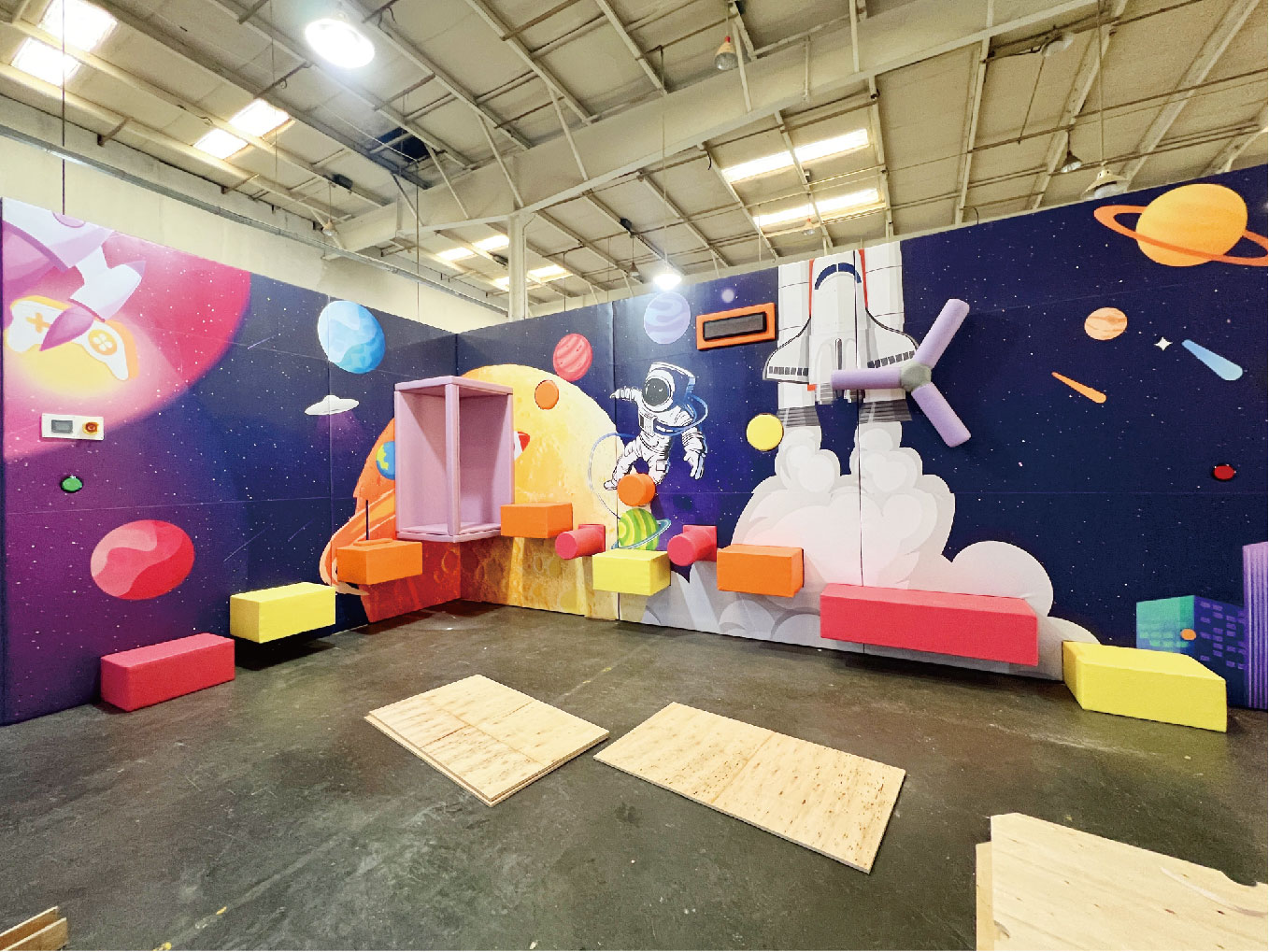
Turns out, there's a whole world of fabrication happening behind the scenes, and I was lucky enough to get the Dirolep park where they're currently building what might be the coolest Mario-themed obstacle course I've ever seen.
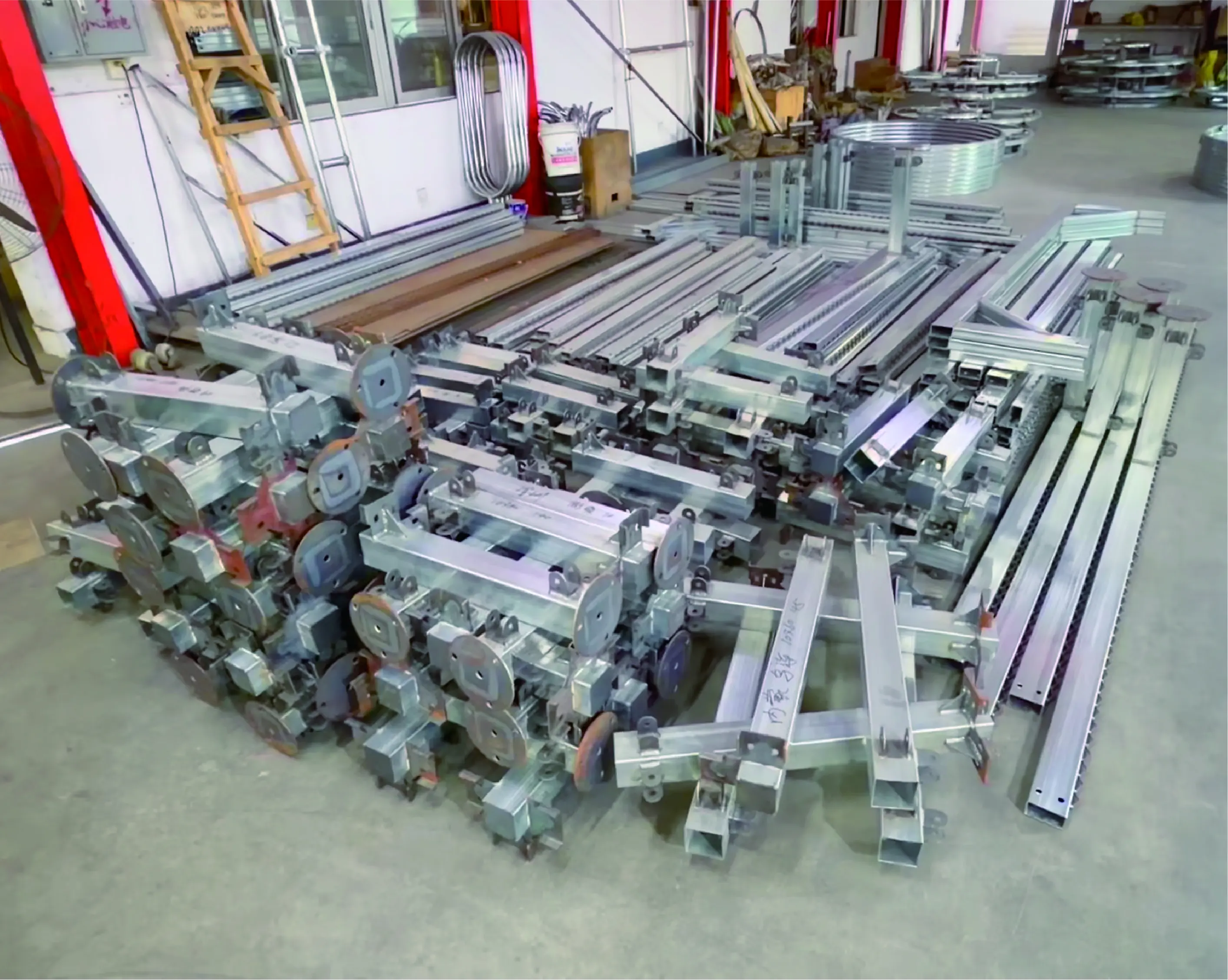
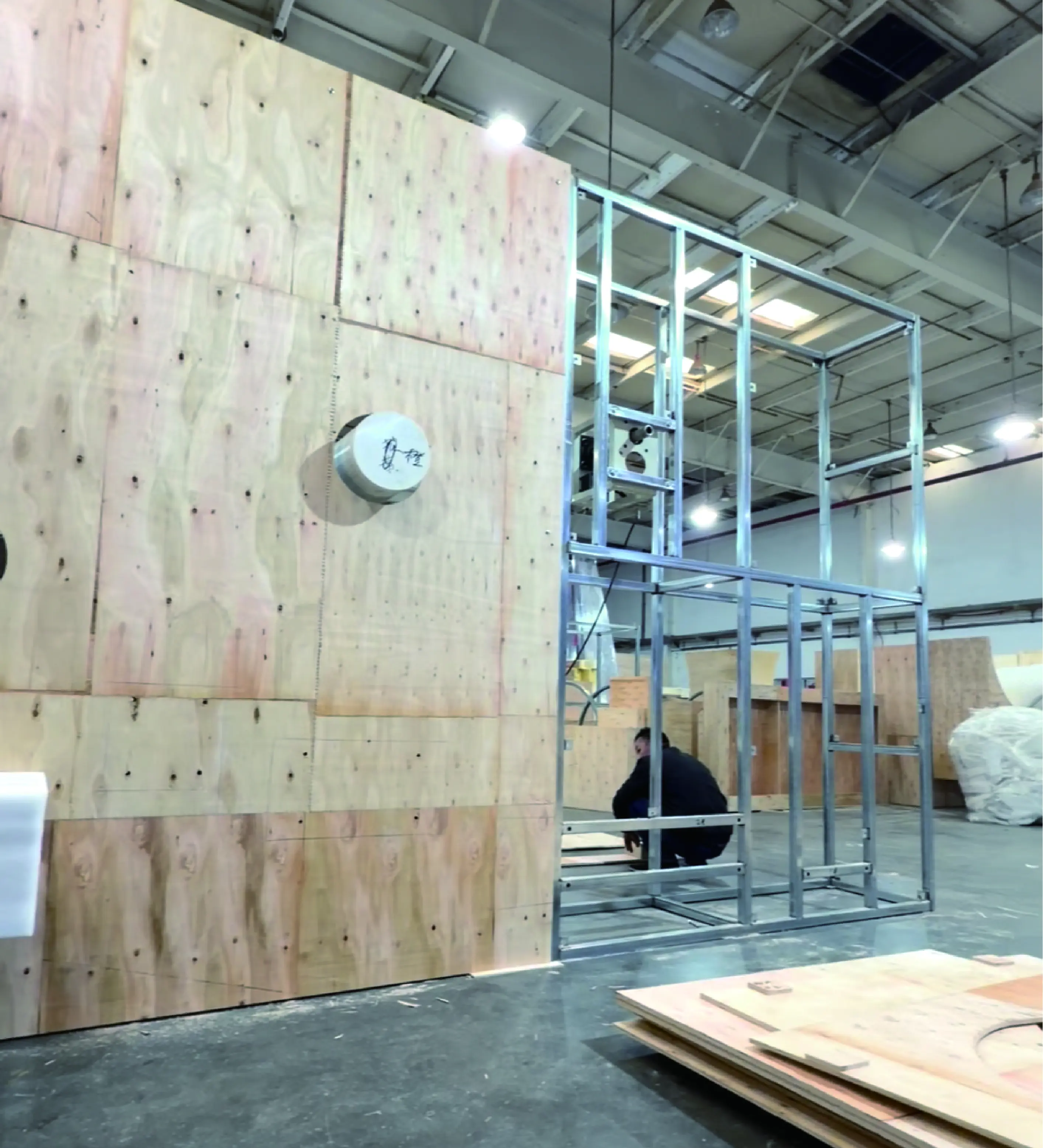
The Bones: Steel Frame and Structure
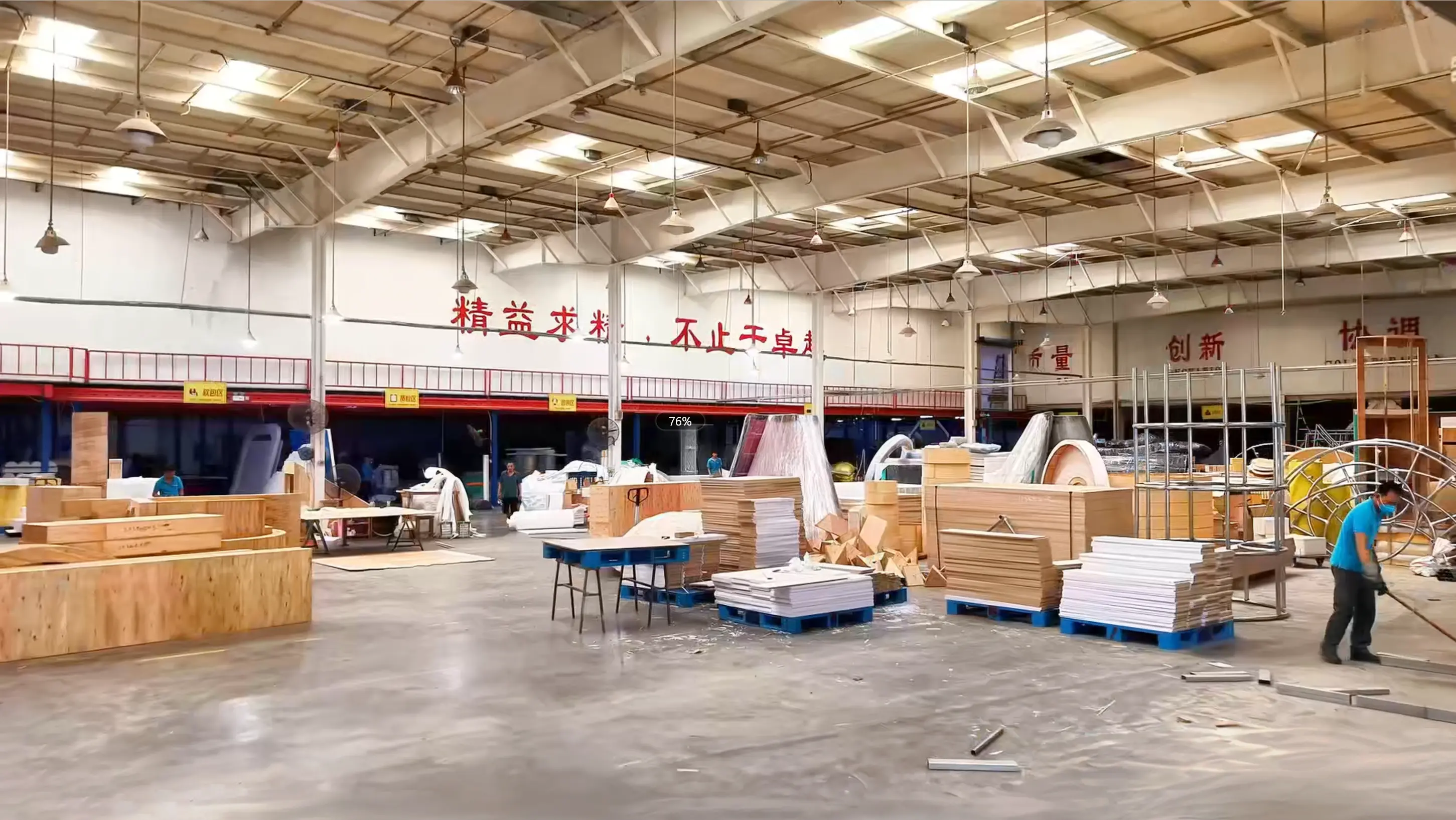
First stop on the tour is the welding bay, and this is where the magic really starts. The entire skeleton of any decent obstacle course is steel—specifically, heavy-duty galvanised steel that's not going to rust or buckle when fifty kids decide to test their limit on the same platform.
"We don't mess around with cheap stuff," Dave explains, running his hand along a freshly welded joint. "This is 114-millimetre hot-dipped galvanised steel tube. Two-millimetre wall thickness. This stuff would hold up a house".
They're cutting and welding the frames for the main towers right now. These are the bits that'll support the climbing walls and the platforms where kids can look down and feel like they're on top of the world. Every joint gets reinforced, every angle gets checked. You can see where they've marked out spots for bolting on timber decks later—little cross marks in white texta that'll guide the next stage of assembly.
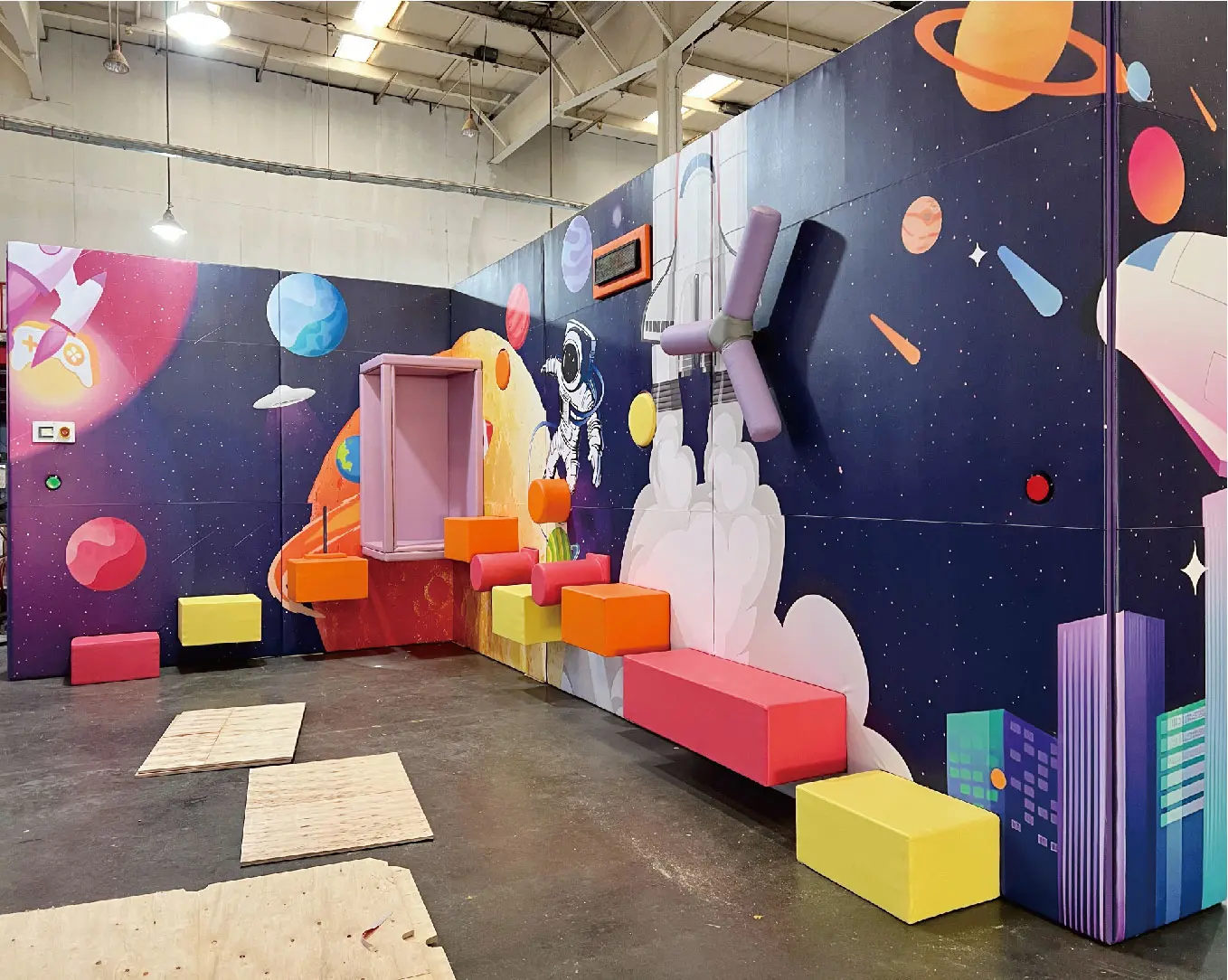
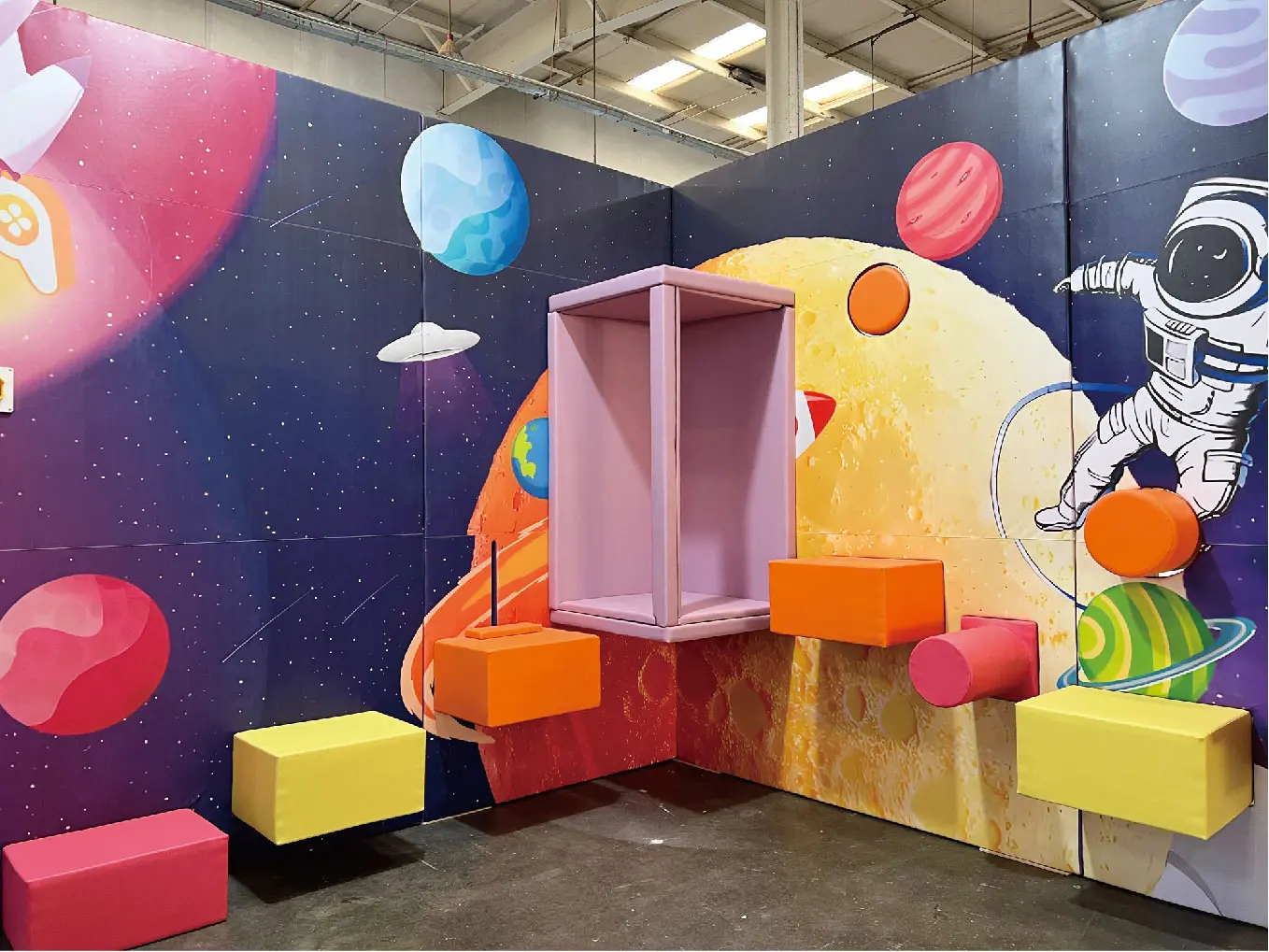
The Counter: Keeping Score
Here's the bit that properly blew my mind. You know how some obstacle courses now have those little screens or counters that track how many times kids complete a lap, or how many "points" they've scored? The Mario course has them built in.
There's an electrician in the corner soldering circuit boards into waterproof housings. Each obstacle—the climbing wall, the warp pipe slide, the balance beam—is getting its own RFID scanner. Kids wear wristbands, scan at each obstacle, and the counter ticks up. By the end of the course, they know exactly how many "coins" they've collected.
"The client wanted the full Mario experience," Dave grins. "So we're giving them the full Mario experience. These counters are industrial grade, sealed against dust and moisture, and wired back to a central display that looks like the scoreboard from the video games. The kids are going to lose their minds."
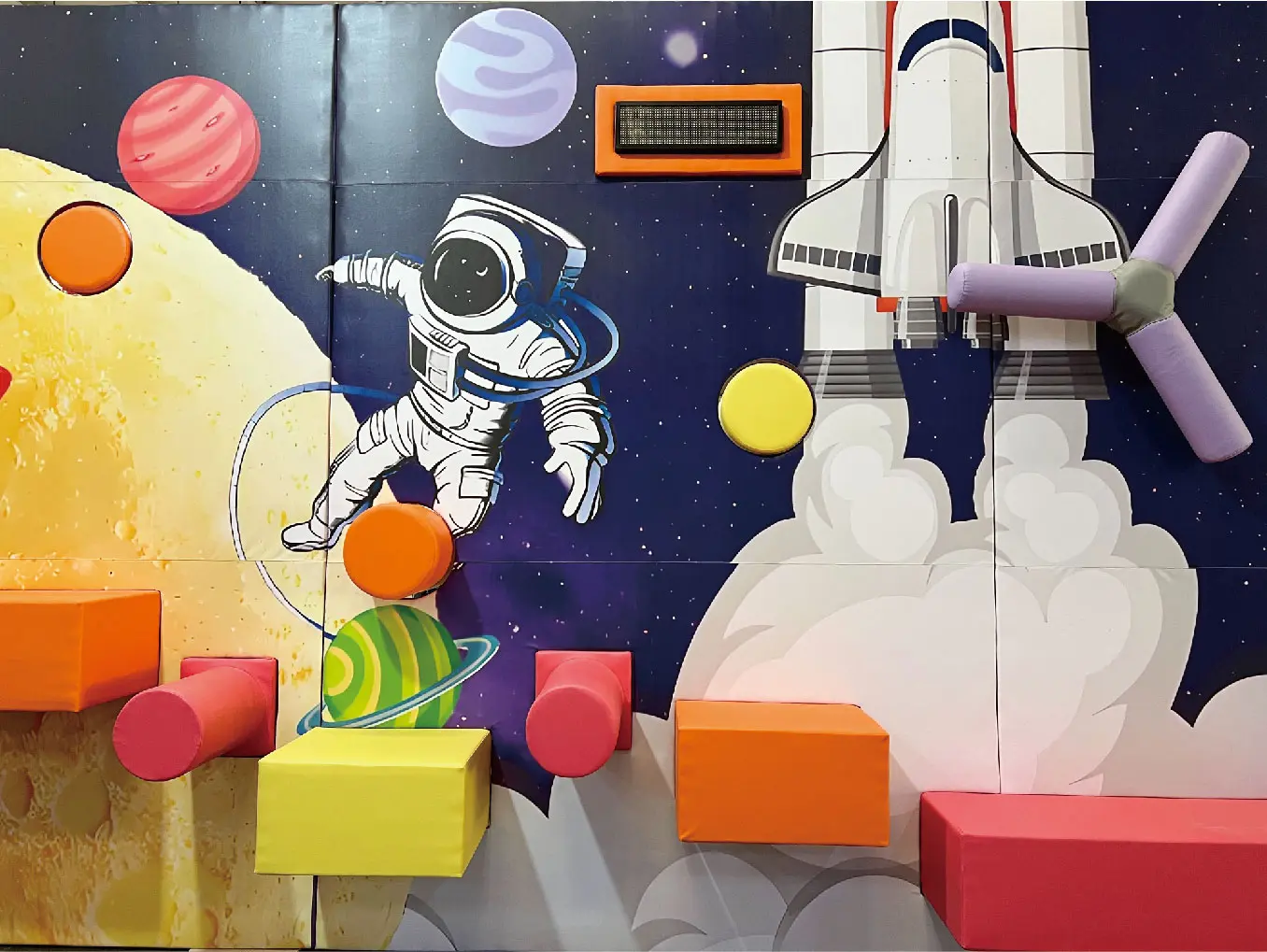
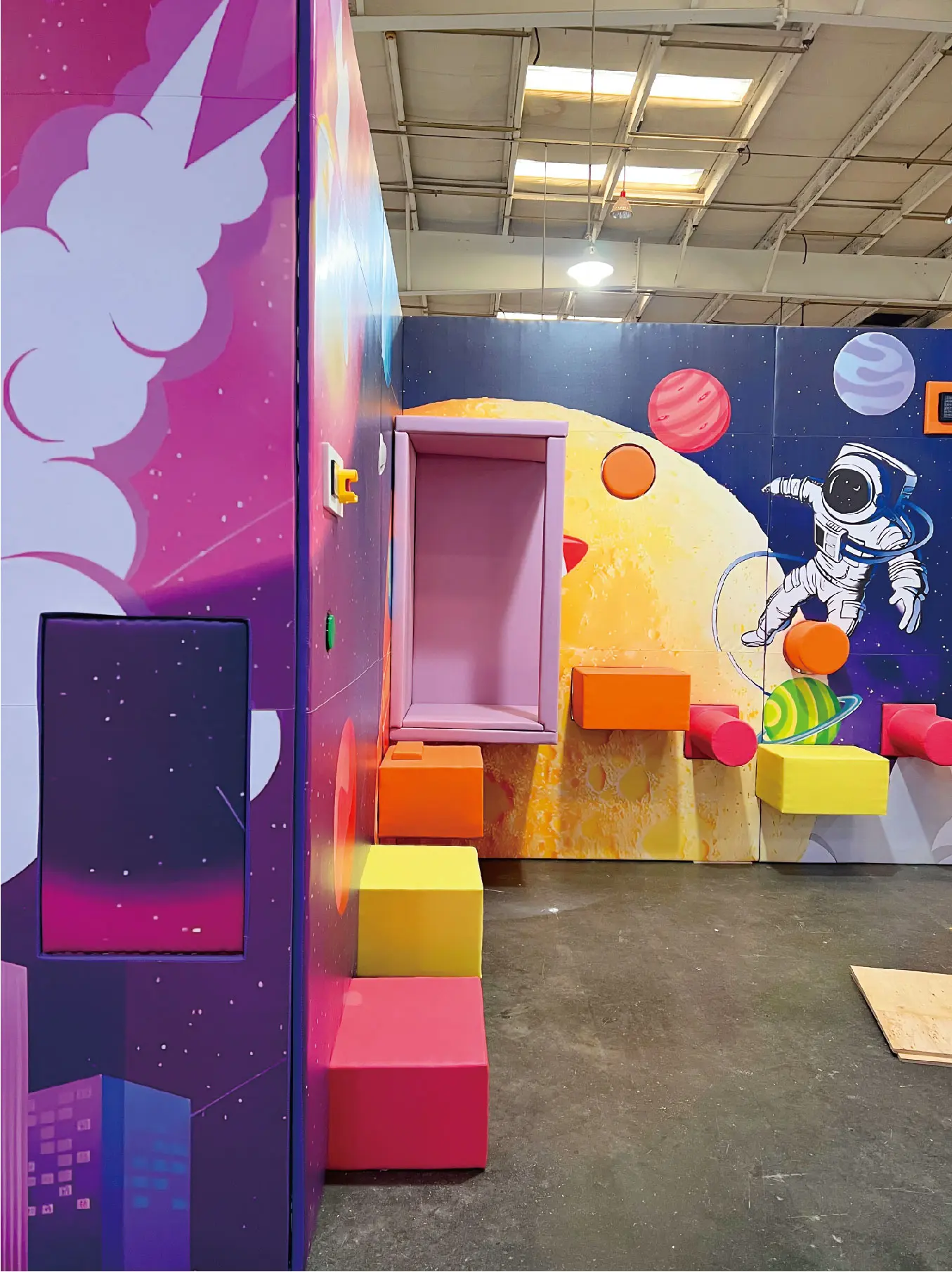
You can see how it all goes together.
"Every weld, every stitch, every bolt," Dave said as I left. "Someone's thought about it. Someone's made it safe. We're building memories. Just happens to involve a lot of steel and sawdust along the way."
Fair enough too. Next time my kid's tearing through an obstacle course, I'll be looking at the padding a bit differently.
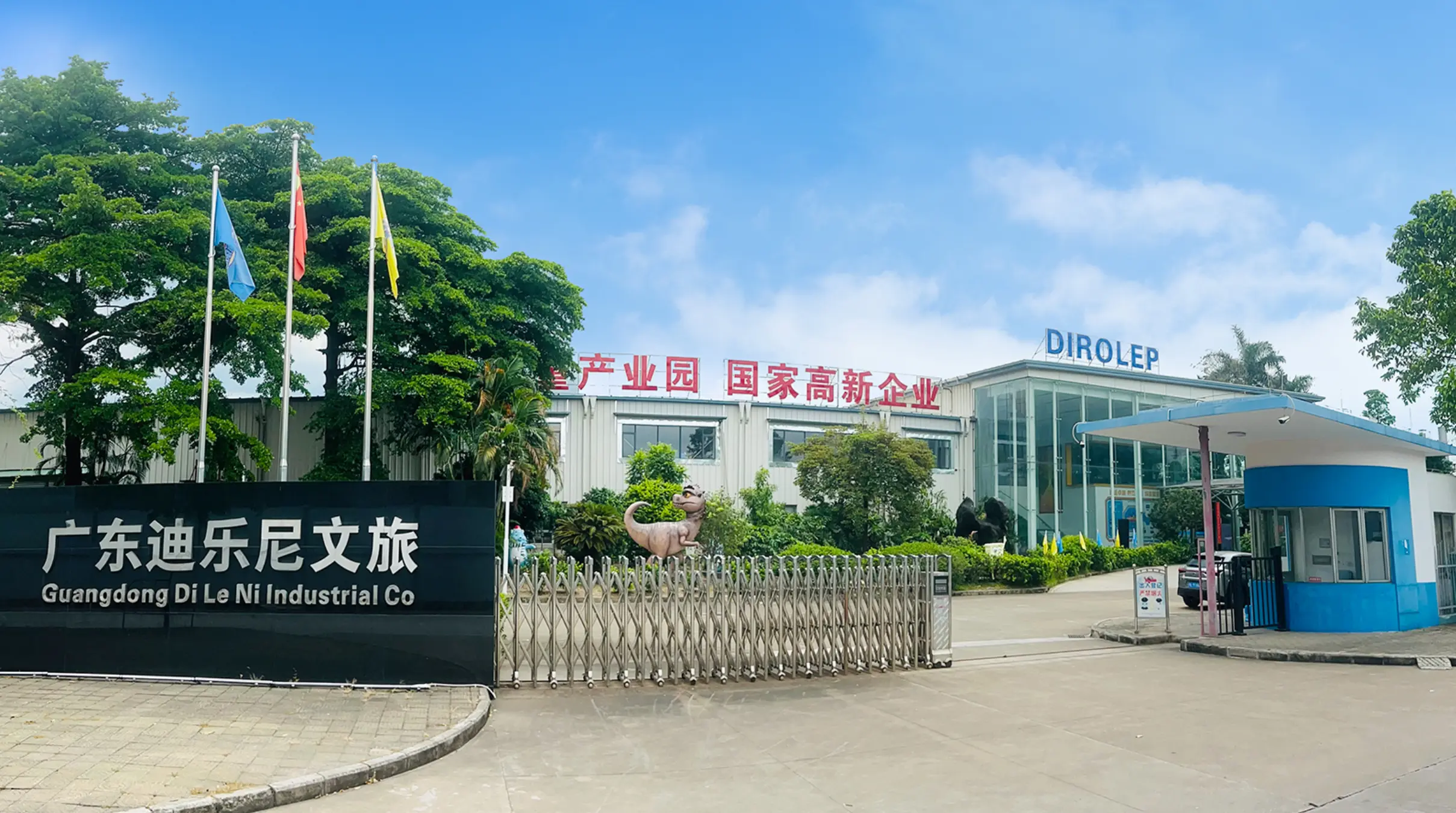
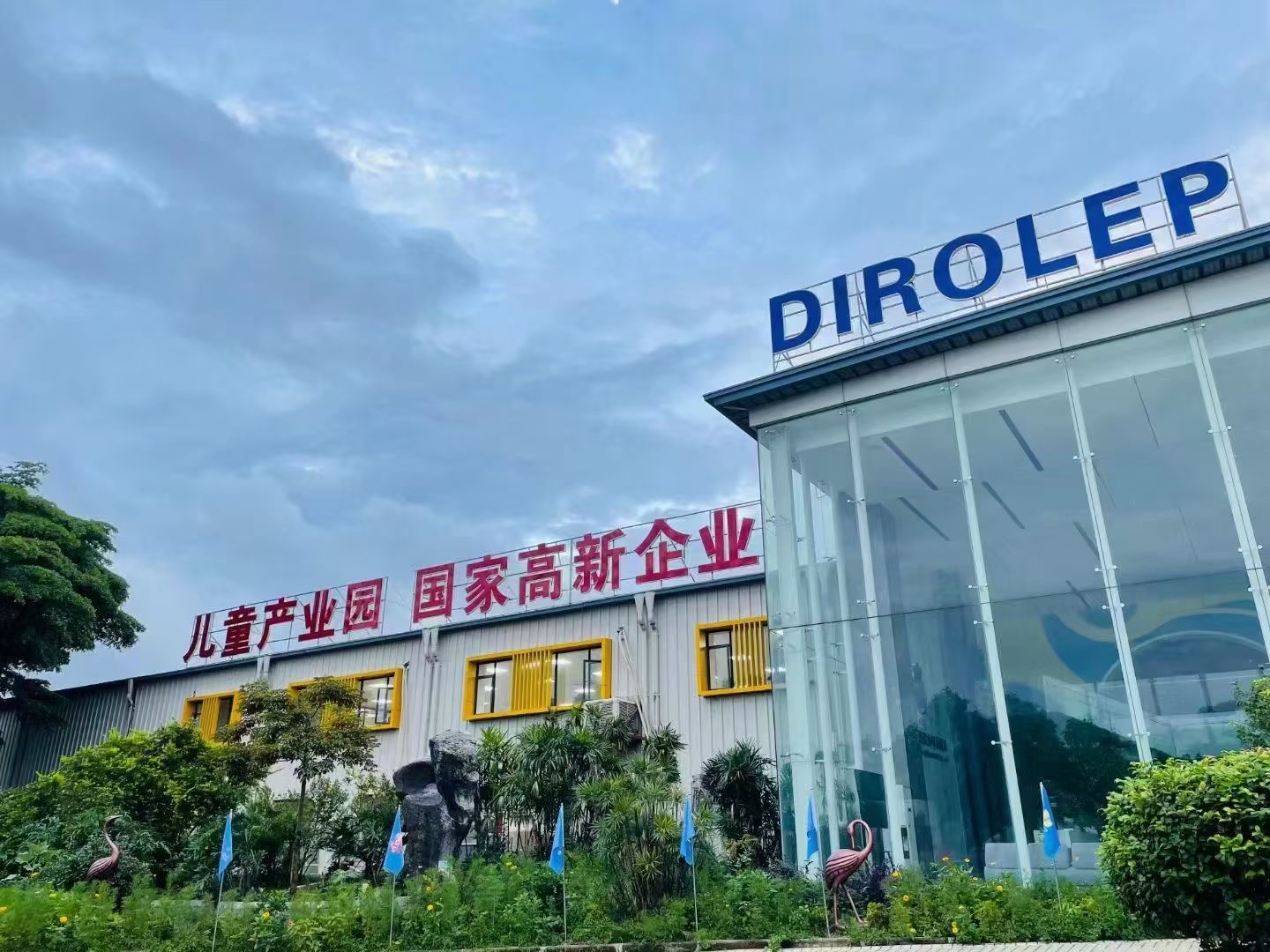
Dirolep is located in Shunde District, Foshan City, only a 15-minute drive from Guangzhou South Railway Station, making it very convenient.
The company has its own industrial park, covering 40,000 square meters.
For children's playgrounds, choose Dirolep. Choosing us is our good fortune, and yours too.
Let's work together to bring joy to children.