Inquiry
Form loading...

2026 Top Childrens Indoor Slide Types for Buyers

Choosing a Childrens Indoor Slide is not just a matter of color or price. Buyers must match the slide to children’s ages, available floor space, and daily use. A compact toddler slide may suit a playroom, while a modular unit can support a larger indoor play area. Foldable models save storage space, but buyers should check how securely they lock during use. Wave and straight slides offer simpler layouts; spiral designs need more room and careful supervision.

The details matter. Measure the full footprint, including the approach and landing zone. Check the stated user age and weight limits, surface finish, edge design, and cleaning requirements. Ask how the slide stays stable on the intended floor. A bright photo can hide a cramped exit or a slippery landing. Small oversight, big inconvenience. No single style works for every room, and product descriptions do not replace hands-on inspection.

“Choose the slide for the space children actually have, not the space you wish they had.” This is an illustrative quotation from a fictional composite play-equipment specialist, not a verified statement by a named industry professional. Buyers should seek product-specific guidance from the manufacturer or a qualified reviewer. This guide compares leading indoor slide types for 2026, with practical attention to footprint, setup, materials, and supervision. It also acknowledges a trade-off: a feature-rich slide may look appealing, yet become frustrating when the room is too small.

2026 Top Childrens Indoor Slide Types for Buyers

Types of Indoor Slides Available for Children in 2026

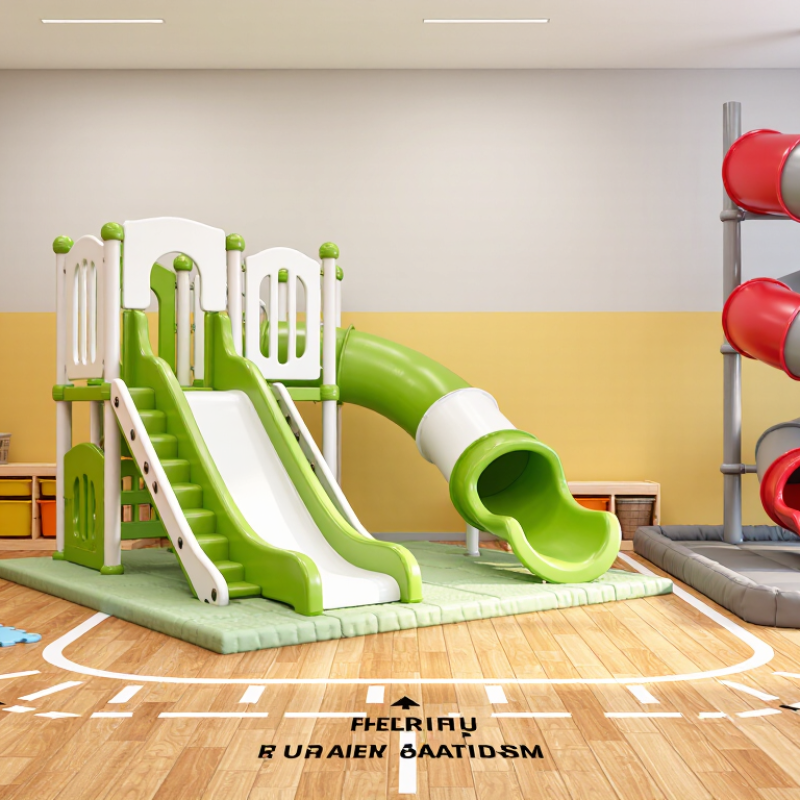
Children’s indoor slides in 2026 generally fall into five practical types: straight, wave, spiral, enclosed-tube, and climbing-slide combinations. Straight slides suit compact rooms and allow easy supervision. Wave slides add a gentle change in pace, while spiral and tube designs need enough height and careful visibility checks. Low, broad toddler slides keep steps short and landings close to the floor. Combo units pair a slide with a crawl tunnel or small platform. Small details matter: grippy steps, rounded edges, and a clear landing zone. No slide replaces active adult supervision.

Choose by age range, floor area, ceiling clearance, and expected daily use—not excitement alone. The World Health Organization’s 2022 Global Status Report on Physical Activity estimates that 81% of adolescents aged 11–17 were insufficiently active in 2016. WHO’s 2020 guidelines recommend an average of 60 minutes of moderate-to-vigorous activity daily for ages 5–17. A slide can encourage movement, but it cannot meet that target by itself. Check age and user limits, inspect seams and fasteners, and keep the landing area clear. One imperfect reality: children rarely queue neatly. Leave room beside the exit, too.

How Slide Design Shapes Play and Development

Indoor slides do more than provide a quick thrill; their shape influences how children approach movement. A short, wide slide with a gentle slope may suit younger children learning to climb, sit, and wait. A curved or wavy track adds changing sensations and invites children to adjust their posture as they descend. Small details matter. Handrails, clear footholds, and a visible landing area can make repeated play more manageable. Adult supervision and equipment suited to children’s age and size remain essential.

Climbing can help children practise balance, coordination, and confidence, though progress varies from child to child. Children often pause at the top, watch others, then decide whether to try. That changes play. A lower platform may encourage independent attempts, while a taller structure can offer more challenge. Still, height is not the only measure of value. A well-placed slide can support turn-taking when children have room to queue without blocking the exit. Crowding can undo that benefit.

For buyers, compare the slope, steps, side barriers, surface grip, and landing clearance, not just appearance. Check that the structure fits the room and leaves adults a clear view of the play area. A design may look ideal in a catalogue, yet feel awkward once children gather around it. Preferences differ. Observing how children approach and exit the slide can reveal layout problems that drawings may miss.

2026 Top Children's Indoor Slide Types for Buyers

Design comparison: qualitative planning scores on a 1–5 scale

Wave and spiral designs offer varied movement experiences, while straight slides can suit simpler layouts. Climber-slide combinations bring climbing and sliding together but may need more floor space. Scores are qualitative design-planning judgments, not measured child outcomes; actual play and space requirements depend on the specific product and installation.

Materials, Stability, and Essential Safety Features

Indoor slides range from low toddler ramps to taller climbers with steps and platforms. For younger children, a short, wide slide is often easier to supervise and leaves less room for a hard landing. Foldable models save floor space, but their hinges and locks need careful checking. A compact design is not automatically a safer one.

Material affects both feel and upkeep. Molded plastic is light and easy to wipe, though thin panels may flex under pressure. Plywood or solid-wood structures can feel steadier, but edges, joints, and finishes deserve close inspection. Foam-covered slides soften contact, yet exposed seams can wear with repeated play. Look for smooth transitions and no splinters, sharp corners, or loose caps. Check it in person. I would not judge quality by color or thickness alone.

Stability starts at the base. Place the slide on a level, non-slip surface, and test gently for rocking before use. Handrails should be easy for small hands to grip, while steps need clear, non-slippery treads. The landing area should be open and free of furniture. Keep the child’s age and weight within the maker’s stated limits, and inspect fasteners regularly. A slide can look sturdy and still shift; that is easy to overlook when a room is busy. Do not leave children unattended, especially near the top platform.

Choosing a Slide for Your Child’s Age and Available Space

2026 Top Childrens Indoor Slide Types for Buyers

Choosing a Slide for Your Child’s Age and Available Space

A good indoor slide suits your child’s abilities and your room, not just its appearance. For toddlers, a low, gentle slide with broad steps and sturdy handholds is often easier to use. Preschoolers may manage a taller design, but check the maker’s age and weight guidance. Watch how your child climbs; age alone does not show readiness. Small details matter.

Measure the full play area, including the slide’s landing zone and space around the steps. A compact slide may fit beside a sofa, while a climbing-and-sliding set needs more open floor. Check ceiling height, too, especially near loft beds or low fixtures. It is easy to underestimate how far a child can travel after sliding. Leave a clear, uncluttered path, and place the slide on a stable, level surface.

Tips: Measure before buying, then compare the product’s footprint with your room. Keep the landing area clear, and supervise play. A foldable model can help in tight homes, but folding it away takes effort. That part is easy to overlook. Follow the supplied setup and care instructions, and check the slide regularly for loose parts or damage.

Buyer Considerations: Durability, Assembly, and Maintenance

When comparing children’s indoor slide types, buyers should look beyond color and shape. A compact toddler slide may suit a playroom, while a taller model needs more clearance and a stable landing area. Measure the ceiling, doorway, and floor space before ordering. A tape measure beats guesswork.

Durability depends on more than plastic thickness. Check that the slide feels rigid, edges are smoothly finished, and joints do not shift under gentle pressure. Rounded corners and a wide base can help reduce everyday bumps and wobbling. No material is maintenance-free. I would not assume a heavier slide is always better; its fit and construction matter just as much.

Assembly should be manageable with clearly labeled parts and straightforward instructions. Confirm whether tools are included, and tighten fasteners evenly rather than forcing them. Keep the instructions for later checks. Maintenance is simple, but easy to overlook: wipe surfaces with mild soap and water, then dry them fully. Inspect joints, handles, and the landing area regularly for cracks, looseness, or sharp wear. If a part feels unstable, stop using the slide until it is checked. Small routine checks can prevent a minor issue from becoming a bigger one.

2026 Top Children's Indoor Slide Types for Buyers — Buyer Considerations: Durability, Assembly, and Maintenance
Slide type Typical construction and use Durability considerations Assembly considerations Maintenance needs Buyer checks
One-piece molded plastic slide A compact, freestanding slide with an integrated ladder and slide bed; commonly chosen for home play areas. Fewer joints can mean fewer connection points to loosen. Plastic can still crack, deform, or become brittle with age, impact, or unsuitable storage. Often requires limited setup, but some models need parts fitted or fastened. Place on a level surface and follow the instructions for any anchoring. Clean with mild soap and water; check periodically for cracks, sharp edges, loose parts, and a stable base. Confirm the maker's age and weight guidance, overall dimensions, landing space, and whether the slide is intended for indoor use.
Foldable or compact slide A space-saving design with folding or detachable sections, suited to rooms where equipment must be stored between uses. Folding mechanisms, latches, and hinges add moving parts that may wear or loosen with repeated use. Check that it locks securely in the open position and can be folded without trapping fingers. Recheck connections after setup. Inspect hinges, locks, and fasteners regularly; keep moving parts clean and follow the manufacturer's care instructions. Compare folded and open dimensions, storage requirements, locking features, and the recommended surface beneath the slide.
Slide integrated with a playset A slide connected to a small indoor climber, platform, or activity structure; combines climbing and sliding in one play unit. Durability depends on the slide, frame, joints, and platform working together. Repeated climbing can place stress on connections. Usually involves more parts than a standalone slide. Assemble in the order specified and verify that the frame is level and all fasteners are secure. Check joints, steps, handholds, platform edges, and slide attachment. Clean all accessible surfaces and address loose parts before use. Measure the full footprint and ceiling clearance; review age guidance, assembly requirements, and access to all areas for cleaning and inspection.
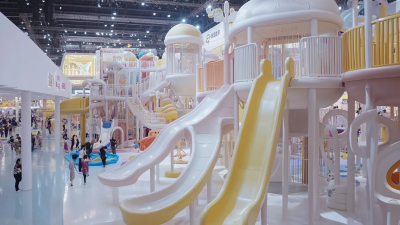
Modular commercial-play slide A slide designed to connect to a larger indoor play structure; construction and configuration vary by system and installation. Designed for repeated use, but actual service life depends on materials, traffic, installation, and inspection. Connections and surrounding structure matter as much as the slide surface. May require professional installation, site planning, and secure connections to compatible play components. Follow applicable installation documentation. Establish a documented inspection and cleaning routine; promptly address damage, loose connections, or worn components. Request material and installation details, inspection guidance, replacement-part availability, and documentation for applicable local safety requirements.
Foam soft-play slide A low-profile play feature made with foam cushioning and a wipeable outer covering; commonly used in supervised toddler play areas. Covers and seams can wear, tear, or lose their fit. Foam may compress over time, especially with frequent use. Often arrives as a ready-to-use or lightly assembled unit. Arrange it on a stable, level surface and prevent gaps between adjacent pieces. Use cleaning products compatible with the cover material; inspect seams, fasteners, and foam condition. Follow any care and drying instructions. Check cover-cleaning instructions, seam construction, intended age range, stability, and whether the unit is designed for the expected frequency of use.

Buyer note: Product materials, assembly steps, age guidance, weight limits, and inspection schedules vary by model. Verify the current product documentation and applicable local safety requirements before purchase and use.