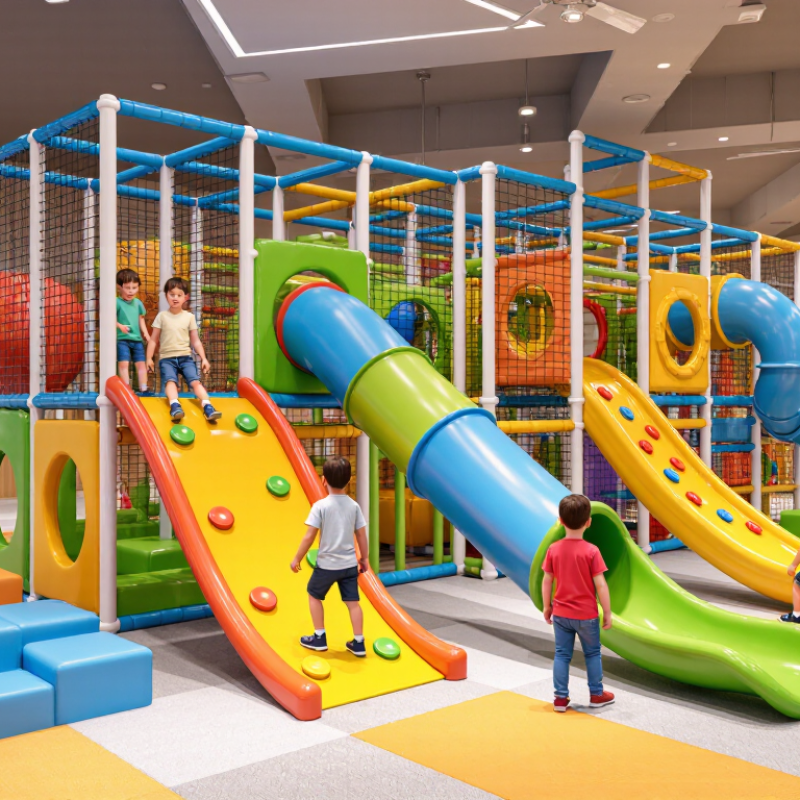
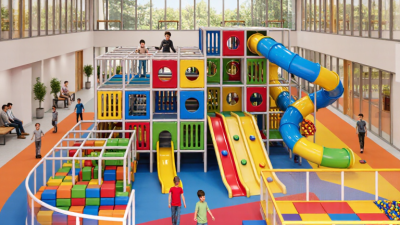
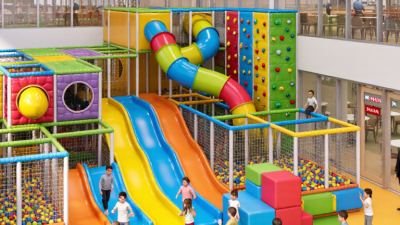
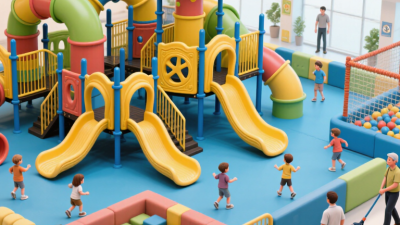
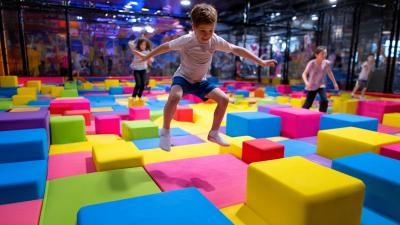
Choosing among Indoor Playground Builders in China takes more than comparing colorful renderings. A reliable builder should explain how its team turns a floor plan into safe, durable play: padded posts, secure netting, smooth transitions, and clear sightlines for caregivers. Ask how designs are adjusted for children’s ages, room dimensions, visitor flow, and cleaning routines. Details matter. A crowded entryway can frustrate families; a poorly placed slide can interrupt circulation.
The strongest comparison also looks beyond the sales presentation. Review completed projects, material specifications, installation procedures, maintenance guidance, and the builder’s process for addressing defects. Request references for facilities with a similar size and purpose. Then compare the proposals line by line. A lower price may leave out installation, shipping, or after-sales support. That is easy to miss.
The supplied material does not identify a verifiable Indoor Playground Builders expert or provide an attributable quotation, so this introduction does not invent one. An expert comment should be added only after its speaker, role, and original source are confirmed. That check is not glamorous. It protects readers from borrowed authority and helps keep the article grounded in evidence. This guide will assess Chinese builders through practical criteria, including design capability, production quality, project communication, and ongoing service. No single company suits every venue. The right choice depends on the space, budget, audience, and support the operator needs after opening day.
An indoor playground builder in China turns a project brief into a usable play space. The work often begins with questions about children’s ages, expected visitor numbers, room dimensions, ceiling height, and budget. A site plan helps the team map entrances, exits, columns, and activity zones. Measurements matter. A climbing frame that fits on paper may feel crowded once families arrive.
The builder may develop the layout, select materials, make equipment, and coordinate packing and delivery. Typical features include padded flooring, crawl tunnels, slides, ball pools, and climbing nets. Each component needs suitable clearances and secure connections. The team should explain material choices and provide drawings, installation instructions, and relevant test or inspection records. Buyers can ask how edges, seams, and fasteners are checked, rather than relying on appearance alone.
Installation is another important part of the job. A capable builder coordinates assembly, checks the finished structure, and explains maintenance needs, such as inspecting net tension or replacing worn padding. Responsibilities vary, so confirm what is included in writing. Remote planning can be efficient, but it cannot reveal every site issue. A low beam or uneven floor may force a late change, and that can affect both cost and schedule.
| Project area | What a builder typically does | Typical deliverables | What buyers should verify |
|---|---|---|---|
| Space planning and design | Reviews the available floor area, ceiling height, access routes, intended age groups, and planned activities to develop a layout for the play space. | Dimensioned layout, equipment plan, activity zones, and design visualizations. | Confirm that measurements reflect the actual site and that the plan accounts for circulation, entrances, exits, and required clearances. |
| Equipment and material selection | Specifies play components and materials for the project, which may include soft-play structures, slides, climbing features, padding, and impact-attenuating surfacing. | Equipment schedule, material descriptions, colors, and project-specific specifications. | Request material details and applicable safety or test documentation for the products and the intended market. |
| Manufacturing and quality checks | Produces or sources the agreed components and checks them against the project specifications before shipment. | Production records, inspection information, packing lists, and component identification. | Ask how inspections are recorded, how components are protected for transport, and how any defects or missing parts are handled. |
| Safety and compliance coordination | Provides product information and coordinates documentation relevant to the equipment, installation, and destination market. Applicable requirements depend on the project location and equipment type. | Product specifications, available test reports, installation guidance, and maintenance information. | Check requirements with the relevant local authorities or qualified professionals; do not assume one certificate covers every market or installation. |
| Shipping and installation | Plans packing and delivery and may provide installation services or instructions for a local installation team. | Shipping and packing details, installation drawings, assembly instructions, and a list of required site preparations. | Clarify who is responsible for freight, customs arrangements, unloading, installation, site readiness, and final checks. |
| Handover and after-sales support | Hands over operation and care information and explains how to report issues or request replacement components. | Operating guidance, cleaning and inspection recommendations, warranty terms, and spare-parts information. | Review the written warranty, support response process, spare-parts availability, and recommended inspection schedule. |
| How to assess a builder | A suitable builder demonstrates relevant project experience, clear technical communication, documented quality processes, and a defined project scope. | Comparable project references, a detailed quotation, a production and delivery plan, and clear terms of service. | Compare proposals on scope, materials, documentation, installation responsibilities, timelines, and after-sales terms—not price alone. |

Evaluating an indoor playground builder begins with how clearly the team understands your space. Ask for a layout based on actual room measurements, ceiling height, entrances, and sightlines. A polished rendering is not proof. Request drawings that show equipment dimensions, walking routes, and access for maintenance. If the plan leaves blind corners or cramped exits, ask how the design will change.
Check the builder’s experience with projects similar in size and age range. Request references, installation photos, and a clear list of materials and components. Ask how padded surfaces, netting, fasteners, and moving parts are inspected before handover. Look for written quality-control procedures and relevant test records, rather than relying on verbal assurances. A sample material can help; feel its seams and check whether cleaning instructions are specific.
Service matters after installation. Confirm who handles replacement parts, technical questions, and scheduled inspections, and get response times in writing. Compare quotations line by line: a low price may omit freight, installation, or staff training. No checklist catches everything. Even careful buyers can miss a detail without a second review, so have an independent technical professional examine the drawings before approving production.
In China’s indoor playground market, recognized builders are usually identified by delivery records, not glossy renderings. Look for firms that can show completed projects, safety-testing documents, clear material specifications, and maintenance plans. China’s National Bureau of Statistics reported an urbanization rate of 66.16% at the end of 2023, supporting demand for accessible family recreation. Still, urbanization alone cannot prove that a particular venue will succeed.
The TEA/AECOM 2023 Theme Index reported 244.6 million visits across the world’s 25 most-attended theme parks, up 23.5% from 2022. This is a broad attractions-sector signal, not direct evidence of indoor playground sales in China. Recognition should therefore be checked locally: ask for references, inspect a finished site, and confirm who handles installation and after-sales service. Details matter. A strong design can still disappoint if cleaning access, sightlines, or replacement parts were overlooked.
Tips: Ask prospective builders to map child-height sightlines and show how staff can reach every play zone. Request a written list of included inspections and spare parts. Even careful checks have limits; site conditions and operator training can change the result.
A capable indoor playground builder should support more than equipment selection. Compare concept design, site measurement, production, installation, inspection, and after-sales service. Ask for a layout showing entrances, sightlines, age zones, and circulation around slides and climbing frames. A crowded corner can become a daily pinch point. Details matter.
Safety should be documented, not just promised. Request material specifications, test reports, installation checks, and maintenance instructions. Confirm which recognized standards apply to your destination market, then verify the relevant certificates with the issuing body. Inspect padding seams, exposed fasteners, opening sizes, and fall zones. Ask how the builder checks them. A certificate alone is not enough.
Compare each supplier’s ability to adapt equipment to your room dimensions, ceiling height, expected visitor numbers, and cleaning routine. Ask who supervises installation and how replacement parts are handled after opening. If possible, review a completed project or speak with an operator about wear and response times. A polished rendering helps, but it cannot show how a structure feels after months of busy weekends. I would still leave room for uncertainty: estimates can change when a real site survey reveals obstacles. The best comparison uses drawings, written specifications, and clear answers—not confident sales language.
Choosing an indoor playground builder takes more than comparing colorful renderings. Ask for a site-specific layout showing ceiling clearances, sightlines, age zones, and emergency exits. Request structural calculations, material specifications, installation records, and a written maintenance schedule. Look closely at the details: exposed fasteners, loose netting, foam seams, and corners that staff cannot easily inspect. Small things matter.
Grand View Research estimated the global indoor playground equipment market at about US$1.3 billion in 2023 and projected 9.1% annual growth from 2024 to 2030. That forecast signals a growing sector, not a guarantee of quality. Compare builders by documented performance, not sales claims. Ask for references from projects of similar size, then speak with operators about repairs, cleaning, and response times. Request a sample inspection checklist. Check whether the builder explains applicable safety standards and provides clear warranty exclusions. I would not reject the lowest bid automatically; I would question any quote that omits installation, testing, or after-sales support. A polished render is not evidence. Ask to review a real completed site, and note what feels difficult to supervise.
A practical buyer scorecard for choosing the right indoor playground builder
Suggested evaluation weights, not survey results: prioritize safety documentation, then customization and material durability. Adjust the weights to match your project, and compare builders using verified documents, samples, references, and written service terms.