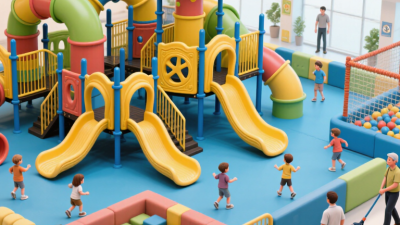
| Toddler Soft Play |
6 months–3 years |
Approximately 2.4–3.0 m |
20–80 m², depending on configuration |
Padded surfaces, enclosed steps, low platforms, secure access openings, non-toxic materials, and close adult supervision. |
Family entertainment centers, shopping centers, hotels, childcare facilities, and community venues. |
Prioritize low platform heights, visibility for caregivers, washable upholstery, and age separation from older children. |
Daily visual checks; detailed inspection at least monthly. |
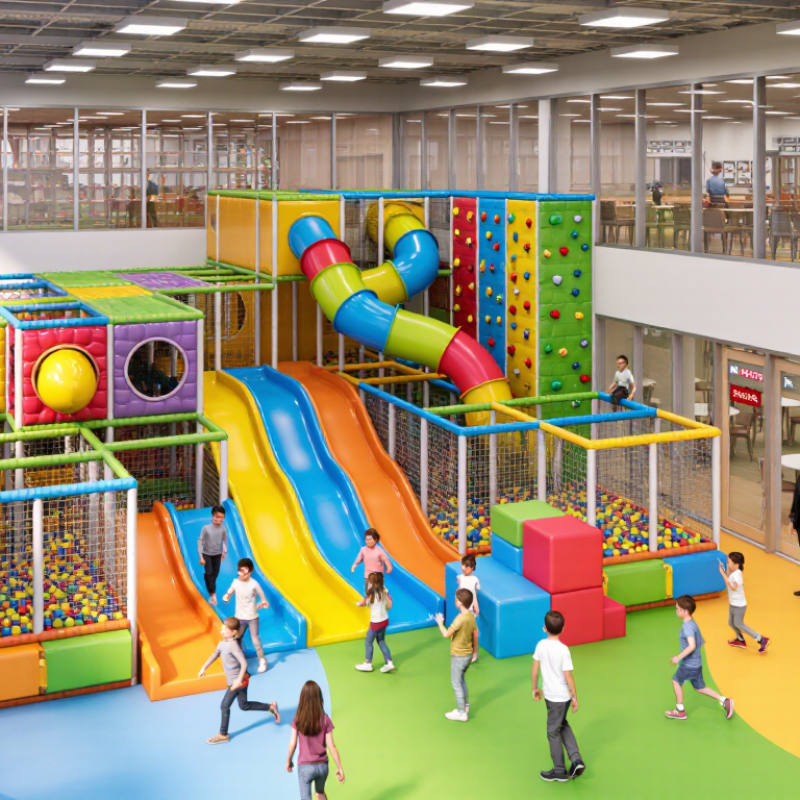
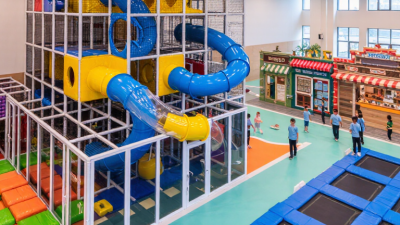
| Multi-Level Soft Play Structure |
3–12 years |
Approximately 3.5–6.5 m |
80–500 m² or more |
Guardrails, protected openings, impact-absorbing surfaces, controlled entry and exit points, and protection against entrapment. |
Indoor amusement venues, retail developments, resorts, restaurants, and large family activity centers. |
Check ceiling clearance, evacuation routes, cleaning access, capacity, and compatibility with local building and fire regulations. |
Daily checks; monthly functional inspection; professional review according to local requirements. |
| Indoor Trampoline Zone |
6 years and above; separate areas may be provided for younger users |
Approximately 4.5–7.0 m |
100–1,000 m² or more |
Continuous padding around frames, protected springs, visible rules, controlled capacity, trained supervision, and impact-resistant construction. |
Dedicated trampoline parks, sports centers, entertainment complexes, and mixed-use leisure facilities. |
Confirm structural loading, ceiling height, user-flow design, supervision procedures, and local liability requirements. |
Daily padding and frame checks; frequent inspection of springs, mats, seams, and anchors. |
| Indoor Climbing Wall |
4 years and above, based on wall height and route difficulty |
Approximately 3.0–12.0 m |
15–150 m² or more |
Impact-absorbing flooring, secure handholds, route inspection, fall-zone protection, suitable harness systems where applicable, and trained staff. |
Sports clubs, schools, family entertainment centers, adventure parks, and hotels. |
Select wall height, fall protection, route grading, staff training, and rescue procedures according to the intended users. |
Pre-opening inspection; regular hold and anchor checks; documented periodic inspection. |
| Ball Pool |
1–8 years, with age-separated zones recommended |
Approximately 2.4–4.0 m |
10–100 m² |
Soft edge protection, safe ball-pit depth, cleanable surfaces, secure stairs, clear visibility, and frequent sanitation. |
Soft-play centers, shopping malls, childcare venues, restaurants, and hotel play areas. |
Consider hygiene procedures, ball cleaning, drainage or moisture control, visibility, and safe access for caregivers. |
Daily cleaning and visual inspection; immediate removal of damaged balls or components. |
| Interactive Projection or Digital Play |
3–12 years, depending on software and activity type |
Approximately 2.7–4.0 m |
15–150 m² |
Slip-resistant flooring, protected cables, secure equipment mounting, controlled lighting, and software content suitable for children. |
Education centers, museums, retail venues, family entertainment centers, and indoor activity rooms. |
Evaluate language support, offline operation, data privacy, network reliability, accessibility, and replacement-part availability. |
Daily equipment check; software and hardware maintenance according to supplier instructions. |
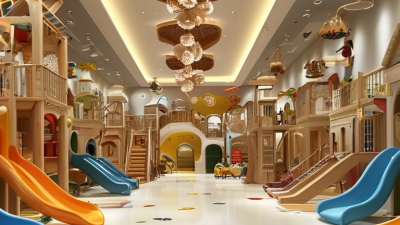
| Role-Play Village |
2–8 years |
Approximately 2.4–3.5 m |
30–250 m² |
Rounded edges, stable fixtures, non-toxic finishes, child-scale doors and windows, clear sightlines, and no hazardous loose parts. |
Educational play centers, museums, libraries, malls, hotels, and community facilities. |
Adapt themes, signage, costumes, and activities to local culture while keeping the layout inclusive and easy to supervise. |
Daily visual checks; monthly inspection of joints, finishes, doors, and accessories. |
| Indoor Sports and Obstacle Course |
6 years and above |
Approximately 3.5–7.0 m |
100–800 m² or more |
Impact-absorbing flooring, secure obstacles, appropriate spacing, fall-zone protection, capacity control, and trained operators. |
Sports facilities, youth activity centers, resorts, schools, and adventure-focused entertainment venues. |
Match difficulty to user ability, provide alternative routes, and verify structural loads and emergency access. |
Daily operational inspection; frequent checks of fasteners, ropes, grips, mats, and moving parts. |
| Sensory and Inclusive Play Area |
Broad age range, including children with different abilities |
Approximately 2.4–4.0 m |
20–150 m² |
Wheelchair-accessible routes, quiet zones, tactile features, controlled lighting and sound, rounded edges, and accessible transfer spaces. |
Schools, therapy centers, public venues, museums, hospitals, and inclusive family entertainment facilities. |
Plan for accessibility, sensory variety, calm retreat areas, adult assistance, and inclusive circulation rather than focusing only on capacity. |
Daily safety and cleanliness checks; regular review of accessibility features and sensory components. |
| Coin-Operated or Self-Service Ride |
Typically 2–8 years, depending on the ride design |
Approximately 2.4–3.0 m |
2–8 m² per unit, plus circulation space |
Stable anchoring, guarded moving parts, emergency stop controls where applicable, electrical safety, and age-appropriate speed and motion. |
Shopping centers, supermarkets, hotels, cinemas, restaurants, and transportation hubs. |
Confirm electrical compatibility, payment-system requirements, spare parts, noise levels, and local certification obligations. |
Daily operational check; scheduled electrical and mechanical inspection. |
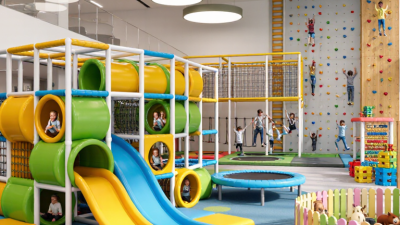
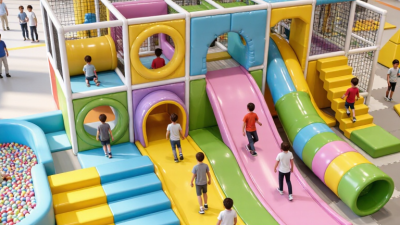
| Modular Indoor Playground |
2–12 years, with clearly separated age zones |
Approximately 3.0–7.0 m |
50–1,000 m² or more |
Safe access points, guardrails, protected openings, impact-absorbing floors, stable anchoring, and documented inspection procedures. |
Large entertainment centers, resorts, malls, schools, and multi-purpose leisure venues. |
Choose modularity for future expansion, but verify spare-part consistency, installation tolerances, local approvals, and replacement lead times. |
Daily checks; monthly inspection; documented periodic audit based on local standards. |
| Outdoor-to-Indoor Convertible Equipment |
Varies by equipment design |
Based on the selected structure and building limitations |
Varies by layout and storage requirements |
Materials must tolerate the intended climate; equipment must be protected from moisture, corrosion, ultraviolet exposure, and temperature changes where relevant. |
Seasonal venues, resorts, schools, community centers, and facilities with changing indoor and outdoor programs. |
Check climate suitability, corrosion resistance, drainage, storage, transport dimensions, and whether the product is approved for indoor use. |
Inspection before each change of location; regular cleaning and corrosion checks. |