How to Choose the Best Outdoor Play Park Equipment for Your Kids?
Choosing the best Outdoor Play Park Equipment for your kids is crucial for their development. According to a report by the International Playground Equipment Manufacturers Association (IPEMA), outdoor play significantly enhances physical health and social skills in children. Expert Lisa Thompson states, “Quality play equipment fosters creativity and encourages children to engage in healthy outdoor activity.”
Parents often find themselves overwhelmed by the variety of options available. Factors like safety, durability, and age-appropriateness must be carefully considered. Some equipment might look appealing but could pose hidden risks. It's essential to evaluate materials and adherence to safety standards.
Moreover, the playing environment plays a significant role in how children engage with the equipment. Research from the National Association for the Education of Young Children shows that children thrive when they have space to explore. Investing in the right Outdoor Play Park Equipment not only provides a fun outlet for kids but also aids in their physical and emotional development.
Choosing the Right Type of Outdoor Play Equipment for Children
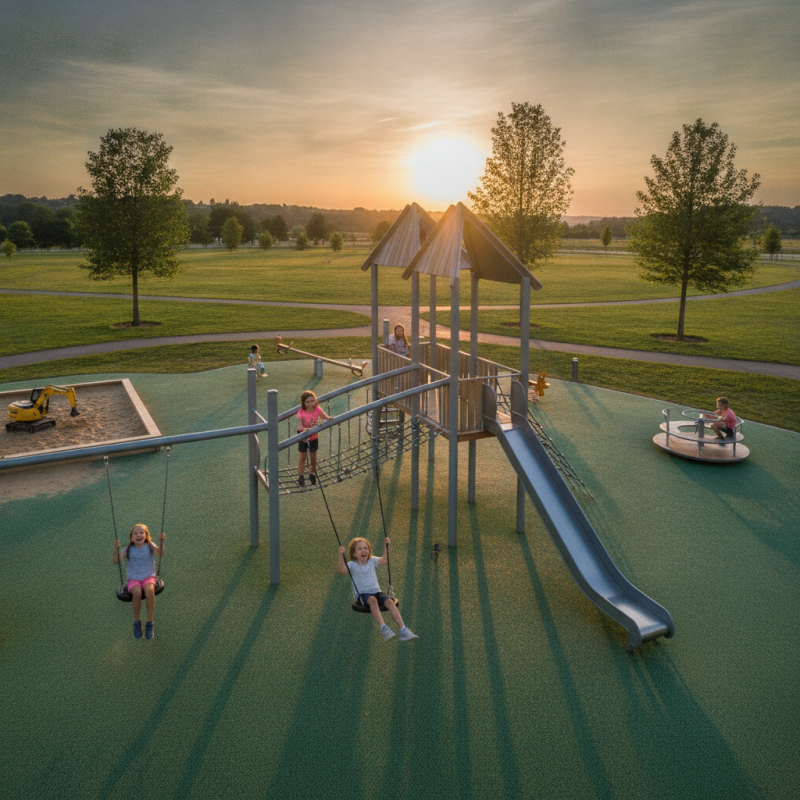
Choosing the right type of outdoor play equipment for children can be a challenging task. Safety is a primary concern for parents. Equipment should meet safety standards to minimize risks. Check for soft edges and stable structures. Look for certified materials that endure different weather conditions.
Think about your child's age and interests. Younger kids often enjoy swings, slides, and climbing frames. These promote physical development and social skills.
Older children might prefer equipment that challenges their agility, like obstacle courses. Consider space availability in your yard or local park.
Visualize how your kids will interact with the equipment. Will they invite friends to play? Will it encourage imaginative play? Reflection on these questions can guide your choices. Remember, there’s no one-size-fits-all solution. Each child is unique. The best play equipment sparks joy and encourages exploration.
Evaluating Safety Standards and Material Quality for Outdoor Play Equipment
When selecting outdoor play park equipment, safety should be at the forefront. Always check the safety standards of the equipment. Look for certifications from known organizations. Equipment should meet guidelines to ensure it’s safe for children. This minimizes the risk of injuries.
Quality of materials is equally crucial. Swing sets and slides should be made from durable, weather-resistant materials. Metal parts must be rust-resistant. Plastic components should be non-toxic and free from sharp edges. These details can greatly impact longevity and child safety.
Tip: Regularly inspect the equipment for wear and tear. Look for cracks or rust that could pose hazards. Additionally, consider the space around the equipment. Ensure there are soft materials beneath to cushion falls. Always create a safe, fun environment for children to explore.
Considering Age Appropriateness for Different Play Park Equipment
When choosing outdoor play park equipment, age appropriateness is crucial. Young children need safe, interactive gear that sparks their imagination. Equipment like small slides and climbing structures should be sturdy and low to the ground. These features ensure little ones can explore safely without high falls. Equipment designed for toddlers should also include sensory elements—like textures and colors—to engage their developing minds.
For older children, equipment must challenge them while ensuring safety. Larger slides, climbing walls, and obstacle courses can promote physical strength and coordination. Some play structures are specifically designed with older kids in mind, featuring higher platforms and more complex designs. However, it’s important to regularly assess whether the equipment meets local safety standards.
Balance is essential. Too much excitement can lead to risky behavior. Encourage kids to respect safety rules while exploring their limits. It’s beneficial to observe how children interact with different equipment. This observation helps us understand what works and what doesn’t. Adjustments may be needed over time to align with their skill growth and interests.
Assessing Space Requirements and Layout for Outdoor Play Areas
When planning an outdoor play area, space requirements are crucial. Assessing your yard can help determine the best placement for play equipment. Measure the total area available. Think about the buffer zone around the equipment for safety. A play area that feels cramped can discourage kids from being active and engaged.
Tips: Consider the age group of the children. Younger kids require smaller, safer equipment, while older ones might thrive with more complex structures. Ensure enough open space for running and playing. Balance is key; a diverse layout keeps children entertained.
Also, think about the ground surface. Lawn, rubber mats, or gravel can impact safety and ease of maintenance. Reflect on seasonal factors, too, like shade for summer play. Ensure the layout allows for supervision of all areas. It’s a simple yet effective way to maintain a safe environment for your kids while they explore and enjoy their outdoor equipment.


 CONTACT NUMBER
 CONTACT NUMBER
 CONTACT NUMBER