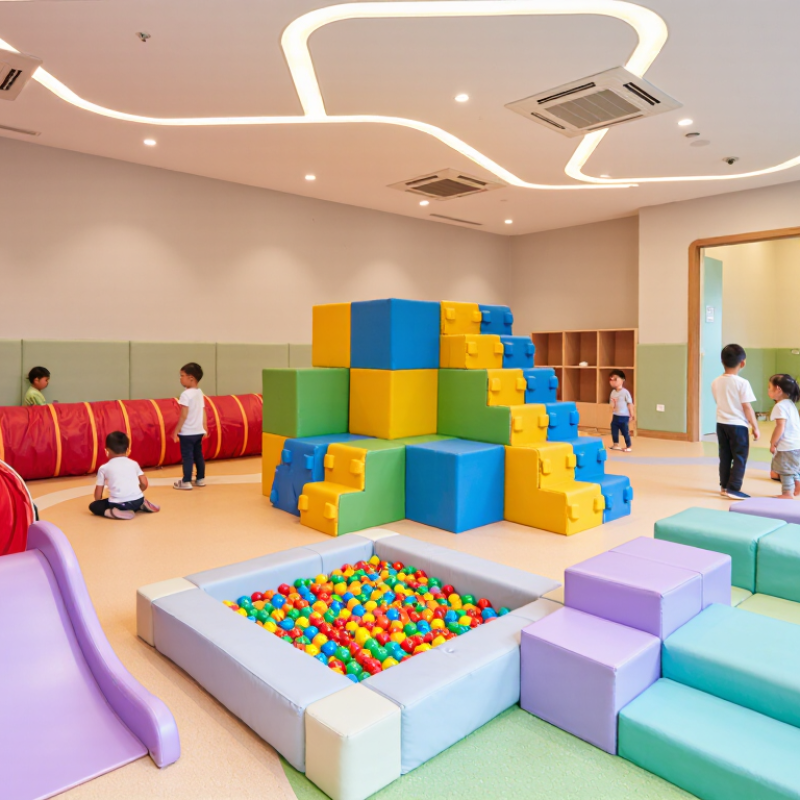
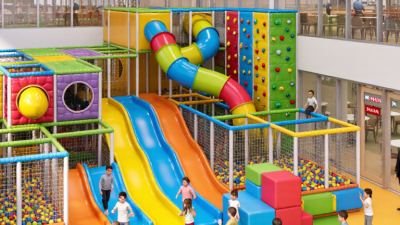
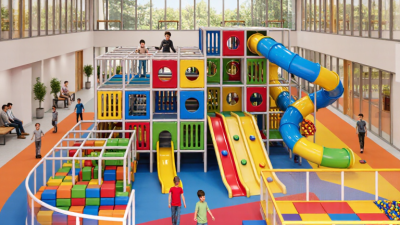
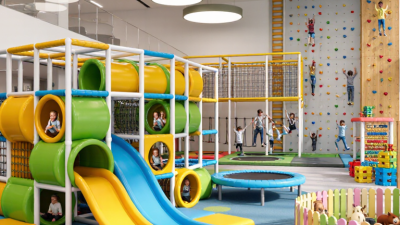
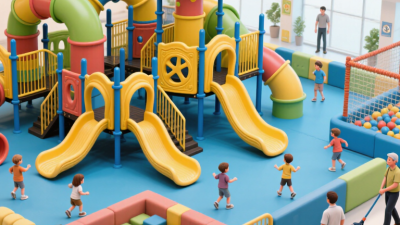
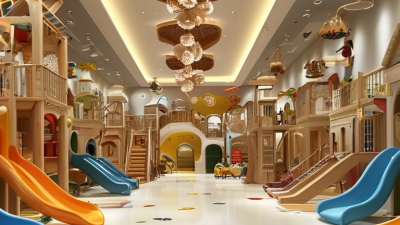
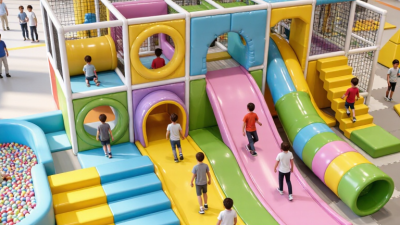
Indoor Soft Play Equipment creates a cushioned environment where children can climb, crawl, balance, and explore indoors. It often includes foam blocks, padded steps, tunnels, ball pits, and low slides. Vinyl covers and dense foam can soften contact during ordinary play. They do not remove every risk. Active supervision still matters. A caregiver can watch how children move and whether equipment shifts during use. The room should feel welcoming, with clear paths, visible entrances, and space around play zones. Small details matter. Textures, seams, and floor transitions can affect comfort and cleaning.
This guide explains what Indoor Soft Play Equipment is, how its main components work, and what to consider when choosing a play area. Age range, available floor space, cleaning routines, and expected visitor numbers all shape practical decisions. For example, a narrow room may suit a compact climbing structure better than a large ball pit. Product descriptions are useful, but they cannot replace checking materials, construction, and maintenance needs firsthand. Even well-designed equipment needs regular inspection. A loose cover or worn seam may be easy to overlook. That is worth remembering. Soft play can support active, imaginative play, but the experience depends on thoughtful layout, upkeep, and adult attention.
Indoor soft play equipment is a collection of padded, child-sized structures designed for active play inside a supervised space. It may include foam blocks, low climbing steps, crawl-through tunnels, ball areas, and padded mats. The surfaces are soft, but the equipment is not risk-free. Children can still bump into one another or lose their balance.
Its purpose is to give children room to move, explore, and practise basic physical skills in a contained setting. Climbing a small ramp can build coordination. Crawling through a tunnel encourages children to judge space and movement. Some structures also invite pretend play, such as turning a padded block into a “shop” or hiding place. Play can be simple.
Adults use these spaces to support active play while keeping the environment easier to monitor than a large outdoor area. Good design considers children’s ages, equipment height, clear routes, and the condition of seams and padding. A clean-looking surface does not always reveal what is happening underneath, so regular checks matter. There is no single layout that suits every group; room size, supervision, and children’s abilities all affect how the equipment works in practice.
Indoor soft play equipment often combines padded platforms, ramps, crawl tunnels, ball pools, and enclosed slides. Foam padding sits beneath durable, wipeable covers, while seams and fasteners need regular inspection. Small details matter. A loose panel can snag clothing or expose a hard edge. Structures may use modular frames, with low climbing areas near quieter toddler zones. Netting or clear panels help keep children within the play space, though tall features can still block sightlines.
A typical layout might include stairs to a raised deck, a short slide, and a padded landing zone. Crawl tubes encourage movement without requiring much height, while soft blocks let children build or balance. Ball pools are popular, but cleaning access, entry points, and ball depth deserve attention. Separate age-appropriate areas can reduce collisions between toddlers and older children. Clear routes also help caregivers and staff supervise. Watch the flow. A tunnel that looks inviting on a plan may become a bottleneck when several children enter at once. Observe how children use each feature, then adjust spacing when needed.
| Component or Structure | What It Is | Typical Play Value | Common Materials | Practical Safety Considerations |
|---|---|---|---|---|
| Foam blocks and shapes | Lightweight, padded pieces in shapes such as cubes, wedges, cylinders, and stairs. | Building, stacking, balancing, and imaginative play. | Foam cores with wipe-clean vinyl or similar durable covers. | Check covers and seams for tears, exposed foam, or loose fasteners; keep pieces appropriate to the children using them. |
| Soft play climbing frame | A connected structure with padded platforms, steps, ramps, and climbing features. | Develops coordination, balance, and confidence through active movement. | Foam padding, coated panels, and a supporting frame or base structure. | Use suitable fall-attenuating surfaces, secure connections, and age-appropriate access points. |
| Slides | Short slides, often integrated into a padded play frame or platform. | Encourages turn-taking and repeated movement between levels. | Commonly molded plastic or a smooth, durable slide surface with padded surrounding areas. | Provide a clear landing area; supervise use and prevent crowding at the top and bottom. |
| Ball pool | A contained play area filled with lightweight plastic balls. | Sensory exploration, reaching, hiding, and cooperative play. | Padded or soft-sided enclosure and lightweight plastic balls. | Inspect and clean balls and the enclosure regularly; keep the pool shallow enough for the intended age group and maintain supervision. |
| Crawl tunnels | Short, enclosed passages made from flexible or padded sections. | Encourages crawling, spatial awareness, and pretend play. | Padded fabric, coated materials, or flexible structural components. | Keep entrances and exits unobstructed, and check that the tunnel is stable and free from damage. |
| Soft steps and ramps | Padded inclined or stepped surfaces that connect different play levels. | Supports climbing practice and movement between structures. | Foam padding with durable, cleanable covers. | Secure ramps and steps to adjoining sections; inspect for slipping, gaps, and worn surfaces. |
| Balance beams and stepping pods | Low, padded beams or spaced soft platforms designed for stepping and balancing. | Promotes balance, coordination, and controlled movement. | Foam-filled components with wipe-clean outer covers. | Arrange with adequate spacing and a suitable impact-absorbing floor; choose a low height for younger users. |
| Interactive panels | Fixed activity panels with simple features such as rotating elements, shapes, or sensory textures. | Offers fine-motor, sensory, and problem-solving activities. | Durable plastic, coated panels, and securely fitted moving parts. | Check for loose parts, sharp edges, pinch points, and damage; use components suited to the users' ages. |
| Safety surfacing | Flooring selected to provide a more forgiving surface around active play equipment. | Supports safer movement around climbing and jumping areas. | May include impact-absorbing mats, rubber surfacing, or other purpose-designed flooring. | Select and maintain surfacing for the equipment, fall heights, and applicable local requirements; keep it clean and in good condition. |

Note: Indoor soft play layouts and materials vary. Select equipment for the intended age group, follow the manufacturer’s installation and maintenance instructions, and check applicable local safety requirements.
Indoor soft play equipment combines resilient cores, protective coverings, and structures designed for active movement. Foam density affects how a cushion responds under a child’s weight; too firm, and it may feel unforgiving, while too soft can lose its shape. Covers often use coated fabric that can be wiped clean. Reinforced seams and covered fasteners help prevent snags. Small details matter. A raised seam can become a recurring irritation, even when the padding looks substantial.
The U.S. Consumer Product Safety Commission’s Public Playground Safety Handbook estimates that more than 200,000 children receive emergency-room treatment for playground-related injuries each year. This figure covers playgrounds broadly, not indoor soft play alone, so it is context—not a direct measure of indoor risk. For contained play structures, ASTM F1918-21 sets safety performance requirements, including provisions for openings and entrapment hazards.
Designers also need clear sightlines, age-appropriate zones, and routes that let adults reach children quickly. Keep seams quiet. A useful design review includes checking corners, transitions, and spaces beneath platforms at a child’s eye level. Even then, inspection routines can miss wear developing inside a foam core. That deserves more attention.
Indoor soft play equipment includes padded platforms, crawl tunnels, ball pools, and climbing structures enclosed within a play area. Its soft surfaces reduce impact, but they do not remove hazards. ASTM F1918 sets performance and testing requirements for soft contained play equipment. Operators should use the current standard alongside the equipment’s care instructions and applicable local requirements.
The U.S. Consumer Product Safety Commission’s Public Playground Safety Handbook reports roughly 200,000 playground-equipment-related emergency-room visits each year. That figure mainly concerns public playgrounds, not indoor soft play alone, so it should not be treated as an indoor injury rate. Still, it shows why routine checks matter. Small details matter. Before opening, staff can inspect seams, exposed foam, loose fasteners, blocked exits, and debris beneath climbers. A weekly closer inspection can include ball-pool edges and areas behind padded panels. Record faults, isolate damaged sections, and arrange repairs before reopening them. Cleaning should follow material-specific instructions; harsh chemicals may damage coatings or leave residues. A spotless floor is not proof of safe equipment. Visual checks are useful, but they can miss hidden wear, so maintenance logs and periodic competent inspections deserve equal attention.
Indoor soft play equipment includes padded floors, crawl tunnels, foam blocks, ball pools, and low slides. It appears in family entertainment centers, shopping centers, childcare facilities, and community venues. Layouts should suit the setting: a café play corner needs clear sightlines, while a larger center can offer separate climbing and toddler zones.
Age ranges matter more than a single “family-friendly” label. ASTM International’s public-use play equipment standards address infants and toddlers aged 6–23 months, and children aged 2–12 years. These broad categories are useful design references, not proof that every child is ready for the same challenge. WHO’s 2019 guidelines recommend at least 180 minutes of varied daily physical activity for children aged 3–4, including 60 minutes of moderate-to-vigorous activity. Indoor play can contribute, but it cannot replace outdoor movement or attentive supervision.
Tips: Keep low, soft features near toddler areas, and place taller climbers where adults can see them. Check sightlines at child height. Age labels help, but development varies; that deserves a second look.
Indoor soft play equipment includes padded structures and play features designed for active indoor play. Age ranges shown are illustrative planning examples, not universal standards; venue rules, equipment, and supervision requirements vary.